Why Cleaning Your Registers and Grilles Matters in Highland Park
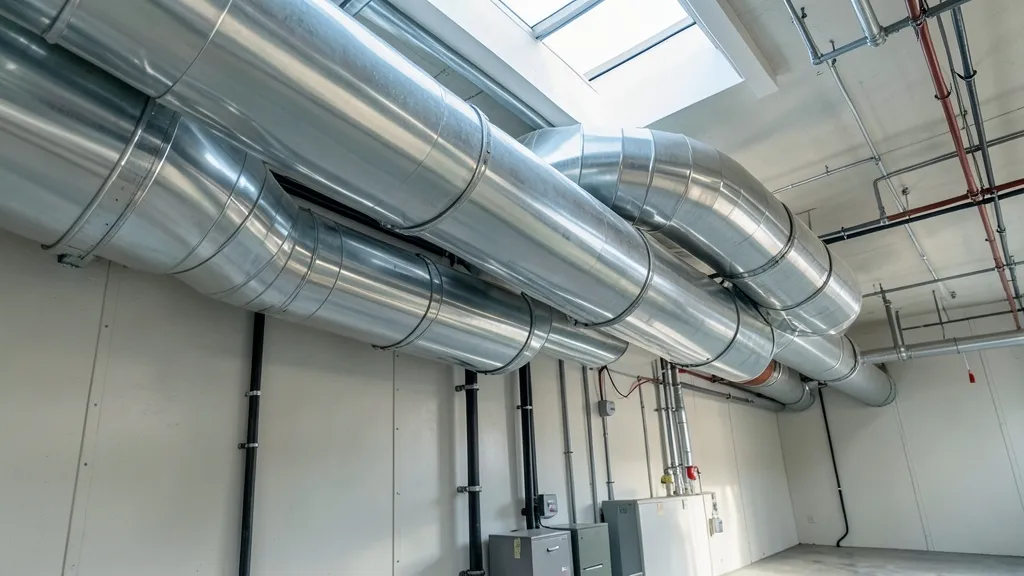
Your HVAC system’s registers and grilles are the first line of defense against dust, allergens, and debris entering your ductwork. In Highland Park, where seasonal pollen and Lake Michigan humidity spike, neglecting them can degrade indoor air quality and strain your system long before you notice.
Registers vs. Grilles: What’s the Difference and Why It Matters
Supply registers deliver conditioned air into rooms, while return grilles pull air back into the HVAC system for re-circulation. Both collect dust, but return grilles often trap more debris because they draw in unfiltered air.
In forced-air systems, clogged grilles can increase static pressure, forcing your blower motor to work harder. This is especially taxing during Highland Park’s harsh winters or humid summers.
| Feature | Supply Registers | Return Grilles |
|---|---|---|
| Primary Function | Deliver conditioned air into rooms | Pull air back into HVAC system |
| Location | Floors, walls, or ceilings near duct outlets | Walls or ceilings near duct inlets |
| Common Issues | Dust buildup, airflow obstruction | Heavy debris accumulation, mold risk |
| Impact of Neglect | Reduced heating/cooling efficiency | Increased strain on blower, poor IAQ |
How Dirty Registers and Grilles Hurt Your Highland Park Home
Dust and pollen clogging your registers restrict airflow, making your HVAC system run longer cycles to maintain temperature. This spikes energy use and shortens equipment life.
Worse, contaminated grilles can harbor mold spores—especially in basements or lower levels where humidity from Lake Michigan’s proximity lingers. This directly degrades indoor air quality.
If you notice musty odors near return vents, schedule a professional inspection. Mold in grilles can spread into ductwork, requiring full air duct cleaning or even mold treatment.
The Domino Effect on Your HVAC System
Restricted airflow from dirty registers forces your blower motor to compensate, increasing wear and tear. Over time, this can lead to costly repairs or even premature system failure.
Clogged grilles also reduce the effectiveness of air filters. Even high-MERV filters can’t catch what never reaches them, allowing pollutants to cycle through your home in Highwood, Lake Forest, or Northbrook.
Signs Your Registers and Grilles Need Attention
Visible dust buildup on vents or grilles is the most obvious sign, but reduced airflow or uneven heating/cooling are stronger indicators of a deeper issue.
Increased allergy symptoms, lingering odors, or a sudden spike in energy bills can also signal that your registers and grilles—or the ductwork beyond them—are overdue for cleaning.
When to Inspect Your Registers and Grilles
- Every 3-6 months for visible dust or debris
- After major renovations or construction nearby
- If occupants experience unexplained allergy flare-ups
- Before peak heating or cooling seasons
- If you notice musty or stale odors near vents
Why DIY Cleaning Often Falls Short
Vacuuming or wiping registers removes surface dust, but it doesn’t address debris lodged deeper in the ductwork or behind grilles. Professional tools like high-powered vacuums and brushes reach what household methods can’t.
In Highland Park’s older homes, ductwork may have sharp bends or flexible sections where dust accumulates out of reach. Without proper equipment, you risk pushing contaminants further into the system.
If you’re tackling a quick clean, remove and wash metal grilles with warm, soapy water. Dry thoroughly before reattaching to prevent rust. But for a deep clean, call in the pros.
How Register and Grille Cleaning Fits Into Full Duct Maintenance
Cleaning registers and grilles is just the first step. For optimal performance, pair it with air duct cleaning, HVAC coil cleaning, and dryer vent cleaning—especially in areas like Glencoe or Bannockburn, where older homes may have neglected systems.
Indoor air quality testing can reveal hidden issues like mold or high particulate levels, guiding whether you need additional treatments like UV sanitization or mold remediation in your ductwork.
The Highland Park Climate Factor
Our region’s seasonal extremes—from freezing winters to humid summers—put extra demand on HVAC systems. Pollen in spring and fall, along with dust from nearby construction in growing neighborhoods, accelerates buildup in registers and grilles.
High humidity levels, particularly in homes near the lake, can also promote mold growth in ductwork if moisture isn’t properly managed. Regular cleaning mitigates these risks.
How to Inspect Your Registers and Grilles Like a Pro
A quick inspection can reveal whether your vents need attention before problems escalate.
- 1Turn Off the HVAC System
Safety first. Switch off the power to your furnace or AC unit at the breaker to prevent the blower from activating while you work.
- 2Remove the Registers or Grilles
Most supply registers and return grilles are held in place by screws or clips. Use a screwdriver to gently remove them, taking care not to damage the surrounding wall or floor.
- 3Check for Visible Debris
Shine a flashlight into the duct opening. Look for dust, pet hair, or other debris within the first few inches. Heavy buildup here usually means more lurks deeper in the system.
- 4Test Airflow
Reattach the grille loosely, turn the system back on, and hold a tissue near the vent. Weak airflow or a tissue that barely moves signals a blockage or ductwork issue.
- 5Note Any Odors or Mold
Sniff near the vent. Musty or stale smells indicate mold or mildew, which requires professional duct cleaning and possibly sanitization treatment.
Frequently Asked Questions
How often should I clean my registers and grilles in Highland Park?
We recommend inspecting and cleaning registers and grilles every 3-6 months, especially during high-pollen seasons. Homes with pets, allergies, or older ductwork may need more frequent attention. For a thorough assessment, consider a professional inspection.
Can dirty registers and grilles cause higher energy bills?
Absolutely. Clogged vents restrict airflow, forcing your HVAC system to run longer to maintain the set temperature. This increases energy consumption and wear on components like the blower motor, leading to higher bills and potential repairs.
Is it safe to clean registers and grilles myself?
Surface cleaning is safe for most homeowners, but avoid using harsh chemicals or excessive water, which can damage finishes or promote mold. For deep cleaning or if you suspect mold, leave it to professionals with the right tools and safety gear.
What’s the difference between cleaning registers and full air duct cleaning?
Cleaning registers and grilles addresses visible buildup at the vent openings. Full air duct cleaning involves specialized equipment to remove debris, dust, and contaminants from the entire duct system, including branches and trunk lines, for improved efficiency and air quality.
Do I need to clean my registers more often if I live near Lake Michigan?
Yes. The humidity and pollen near Lake Michigan can accelerate dust and mold buildup in your HVAC system. Homes in Highland Park, Highwood, or Lake Forest may benefit from more frequent inspections and cleanings to combat these local conditions.
Will cleaning my registers improve my allergies?
It can help. Dirty registers and grilles circulate dust, pollen, and other allergens throughout your home. Regular cleaning reduces these particles in the air, potentially easing allergy symptoms. For severe issues, consider indoor air quality testing and duct cleaning.