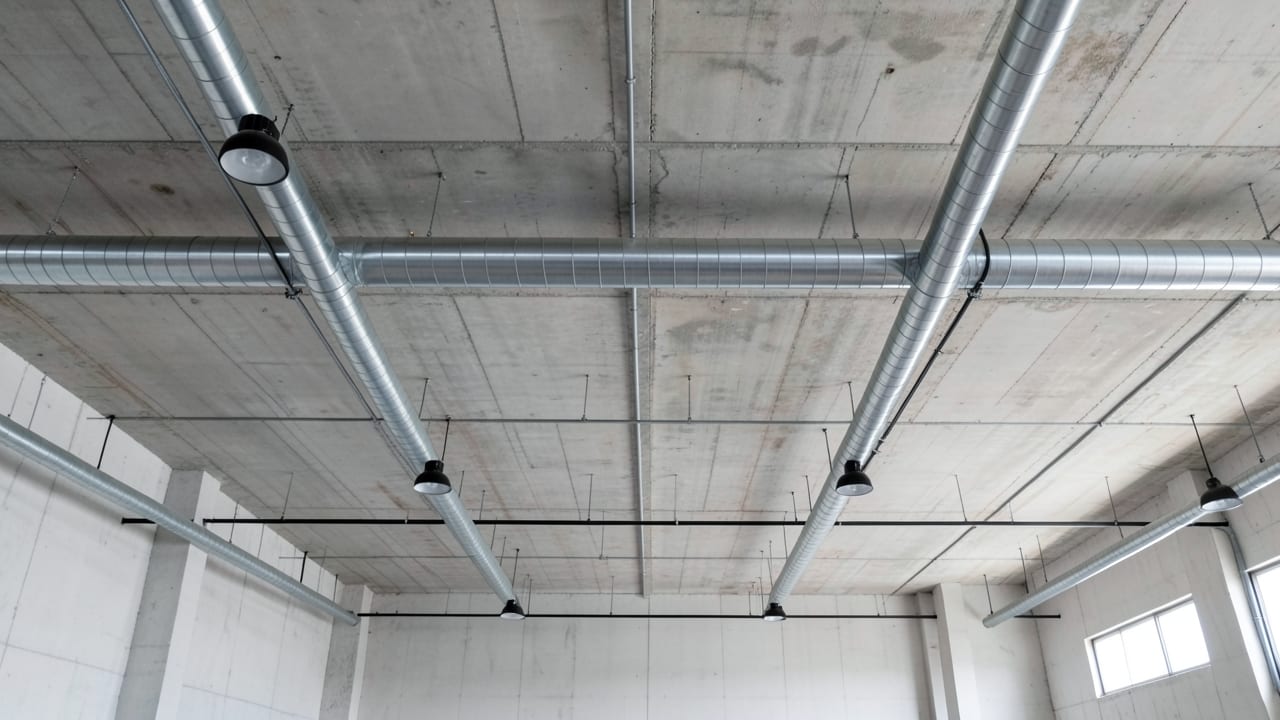
Warehouse Duct Cleaning
Professional cleaning of warehouse air ducts and HVAC systems to improve airflow and indoor air quality.
In Highland Park, IL, warehouse duct cleaning targets the large-scale HVAC systems found in homes with expansive layouts, removing accumulated dust, debris, and contaminants to improve air quality and airflow.
Unlike standard residential duct cleaning, this service focuses on the heavy-duty ductwork often seen in larger homes, ensuring efficient operation and reducing allergens that can affect indoor comfort.
We also handle Mold & Mildew Duct Treatment and Indoor Air Quality Testing for Highland Park properties.
When to consider warehouse duct cleaning
Dust buildup in ducts doesn’t always announce itself with visible grime inside the vents. Instead, it often shows up as a faint puff of dust when the HVAC system first turns on, or as a thin layer of gray film reappearing on furniture near supply vents within days of cleaning.
These signs suggest dust is actively being distributed through the ductwork rather than settling naturally.
A musty or stale smell that lingers while the system runs but fades once it shuts off can also point to biological growth or trapped moisture inside the ducts.
If a room consistently collects dust faster than others, or if surface dust seems to resettle unnaturally quickly, the issue may be tied to what’s happening inside the ductwork.
Signs Your Ductwork May Need Cleaning
- A visible puff of dust when the HVAC system first turns on, especially near supply vents.
- Dust or a fine gray film reappearing on furniture within days of cleaning or wiping registers.
- A musty or stale smell that’s noticeable only while the system is running.
- One or more rooms collecting dust noticeably faster than other areas of the home.
What affects how often duct cleaning is needed
The frequency of duct cleaning depends less on a fixed schedule and more on how much dust and debris enter the system between cleanings. A clogged air filter, for example, forces far more dust into the ducts than a fresh one, accelerating buildup.
Sealing gaps where ducts connect to registers or join in unfinished spaces also helps slow the influx of new contaminants.
Households with pets that shed heavily may see faster buildup unless grooming and vacuuming at the source are part of routine maintenance. Even with regular cleaning, dust will return if the conditions that feed it into the system aren’t addressed.
| Factor | Impact on Duct Cleaning Frequency |
|---|---|
| Air filter changes (every 1–3 months) | Skipping changes forces more dust into ducts, requiring more frequent cleaning. |
| Pet shedding (daily grooming/vacuuming) | Reduces dust entering the system if managed at the source. |
| Sealed duct connections (basement/attic gaps) | Prevents dust from unfinished spaces entering the airflow. |
| Household dust sources (construction, remodeling) | Increases debris volume, shortening time between cleanings. |
What to look for in a duct cleaning service
Not all duct cleaning methods remove the same amount of debris. A full-system clean using negative-pressure HEPA vacuum extraction and mechanical agitation targets settled dust deep in the ducts, while a shop-vac at individual vents may only address surface-level buildup.
Before booking, confirm whether the service includes inspection with a camera to verify results and whether the HVAC coils and blower are cleaned alongside the ducts.
Beware of quotes that seem unusually low—this can indicate a less thorough process. Clear pricing models (flat-rate, per-vent, or per-register) help compare bids accurately, and any mention of add-ons like UV-light treatments should be itemized separately to avoid unexpected costs.
Avoid services that skip camera inspections, lack transparency in pricing models, or pressure you to add treatments on the spot. These can signal incomplete work or hidden costs.
How warehouse duct cleaning works
- 1System Inspection
A camera or mirror inspection identifies where dust, debris, or biological growth is concentrated in supply and return runs, guiding the cleaning process.
- 2Register Sealing and Negative-Pressure Setup
Non-working registers are sealed, and a HEPA-filtered collection unit is connected to pull dislodged dust into the system rather than releasing it into living spaces.
- 3Mechanical Agitation
Rotary brushes or compressed-air whips agitate duct walls to loosen compacted dust, which suction then removes from the system.
- 4HEPA Vacuum Extraction
Dislodged material is captured in a HEPA-filtered unit, preventing fine particulate from re-entering the home through return air.
- 5Airflow Verification
After reassembly, airflow is checked at multiple registers to confirm improvements in circulation compared to pre-cleaning levels.
Frequently asked questions
How will I know if the duct cleaning actually worked?
Results are checked by comparing airflow measurements before and after cleaning, and a camera inspection confirms debris removal. Reduced dust puffs when the system starts and slower resettling of dust on surfaces are typical signs of improvement.
Can duct cleaning help with allergies or respiratory issues?
Cleaning removes accumulated dust and allergens from ducts, which may reduce airborne particles circulating in the home. However, ongoing sources like pets, outdoor air, or household dust must also be managed to maintain cleaner air.
What’s the difference between duct cleaning and dryer vent cleaning?
Duct cleaning targets the HVAC system’s supply and return lines, while dryer vent cleaning focuses on the duct connecting the dryer to the outside. These are separate systems and should be addressed independently.
How long does it take to clean ducts in a large home?
The process typically takes 2–5 hours for an average-sized home, depending on duct complexity and debris levels. Larger homes or systems with extensive ductwork may require additional time.
Where Highland Park sits, and what the Census lists nearby
Highland Park sits in Illinois, and the closest places listed in the U.S. Census Gazetteer are Highwood (1.6 miles north), Deerfield (2.4 miles southwest), Bannockburn (3.1 miles west), Northbrook (3.9 miles south). Within 25 miles of Highland Park the same source lists 132 distinct incorporated places and census-designated places.
Those figures matter for warehouse duct cleaning because they are straight-line distances between Census coordinate points: road mileage between Highland Park and Highwood runs longer than the 1.6 miles shown, which is why quotes for the same job differ between towns that look close together on a map.
Source: U.S. Census Bureau Gazetteer.
See Morton Grove, IL for more, or find out about what's included in our Highland Park service on a single page for our complete lineup.
Ready to get started?
Talk to a local air duct cleaning pro in Highland Park — get a written quote.
Other Air Duct Cleaning Services in Highland Park
Mold & Mildew Duct Treatment in Highland Park, IL
Mold and mildew treatment for HVAC ductwork in Highland Park, IL — antimicrobial application after a full duct cleaning.
Learn More
Indoor Air Quality Testing in Highland Park, IL
Indoor air quality testing in Highland Park, IL measures particulate levels, humidity, and allergens to identify what a home's HVAC system is actually circulating.
Learn More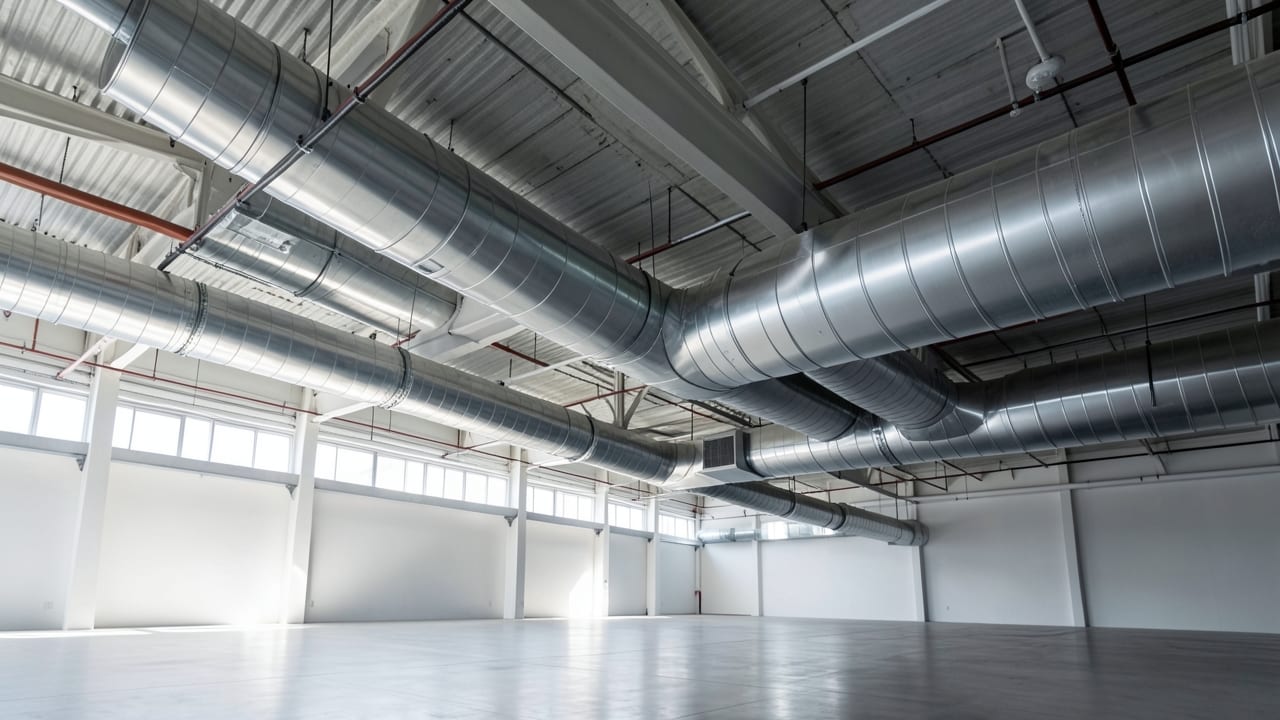
Commercial Duct Cleaning in Highland Park, IL
Commercial HVAC duct and rooftop unit cleaning in Highland Park, IL for offices, restaurants, and retail properties.
Learn More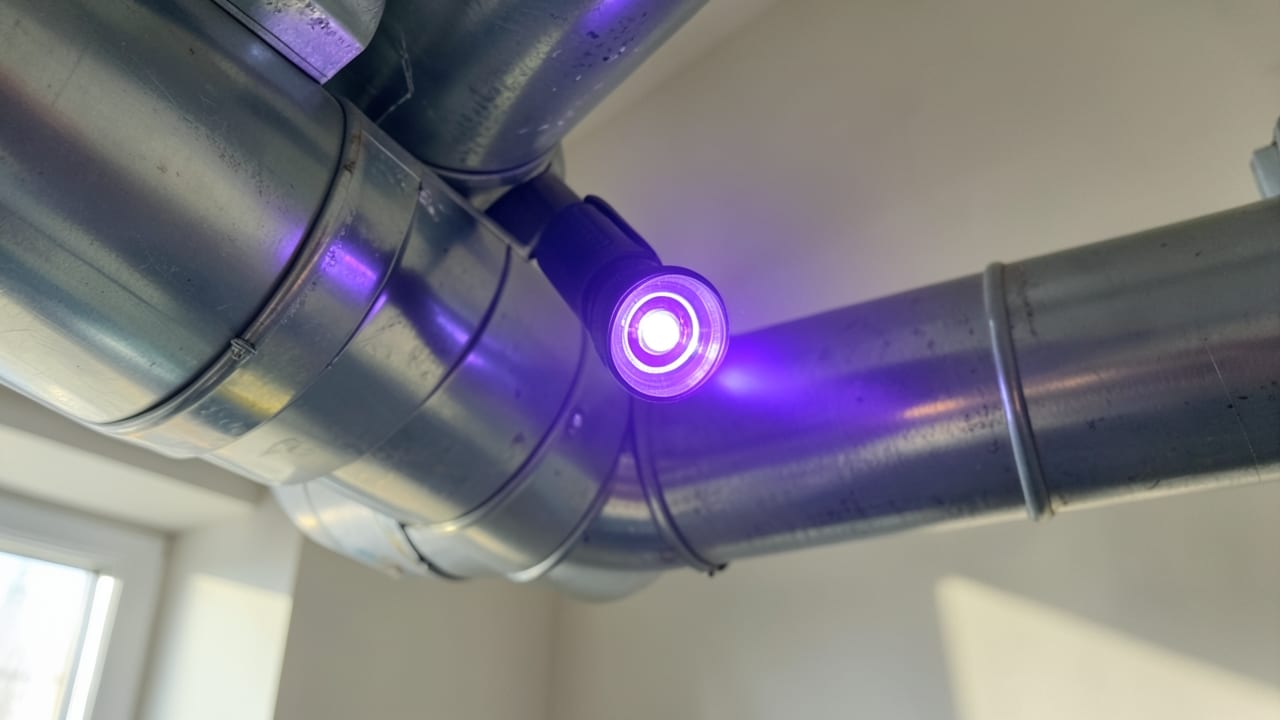
UV Light & Sanitization Treatment in Highland Park, IL
UV-C light installation and duct sanitization treatment in Highland Park, IL — an ongoing defense against microbial growth on the evaporator coil.
Learn More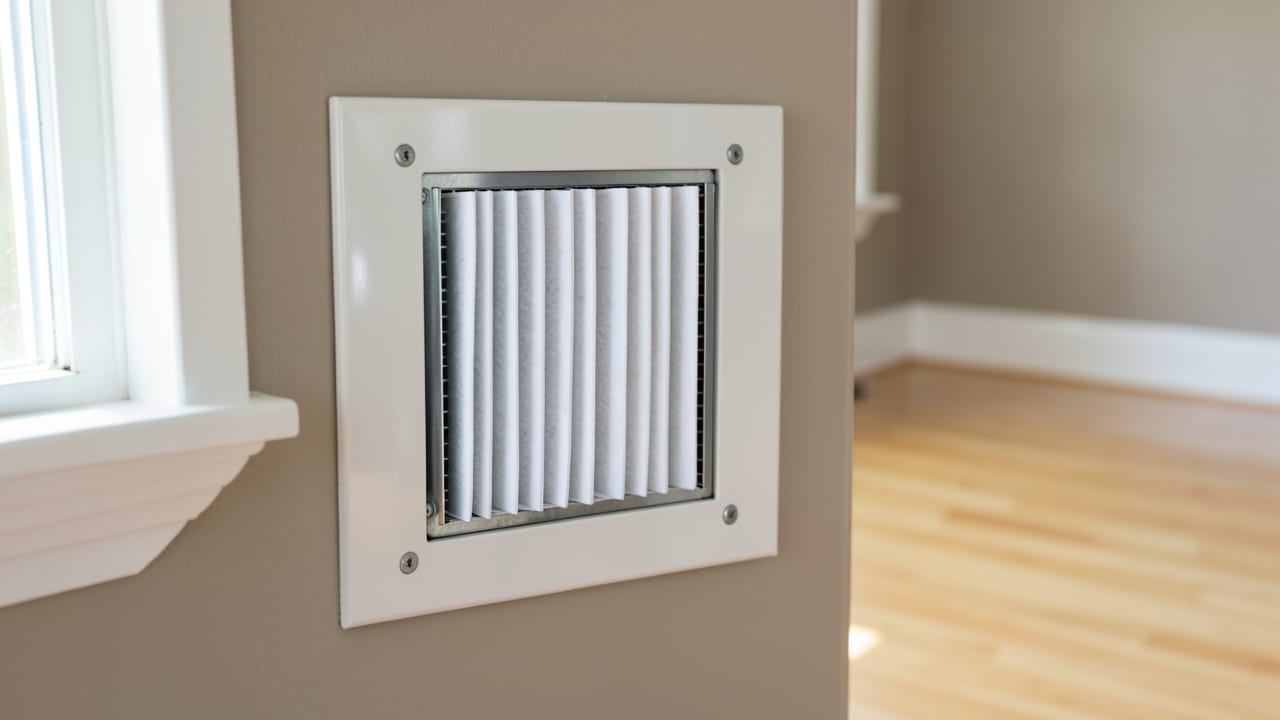
Air Filter Replacement in Highland Park, IL
Air filter replacement and MERV-rating guidance in Highland Park, IL, matched to household needs and system airflow limits.
Learn More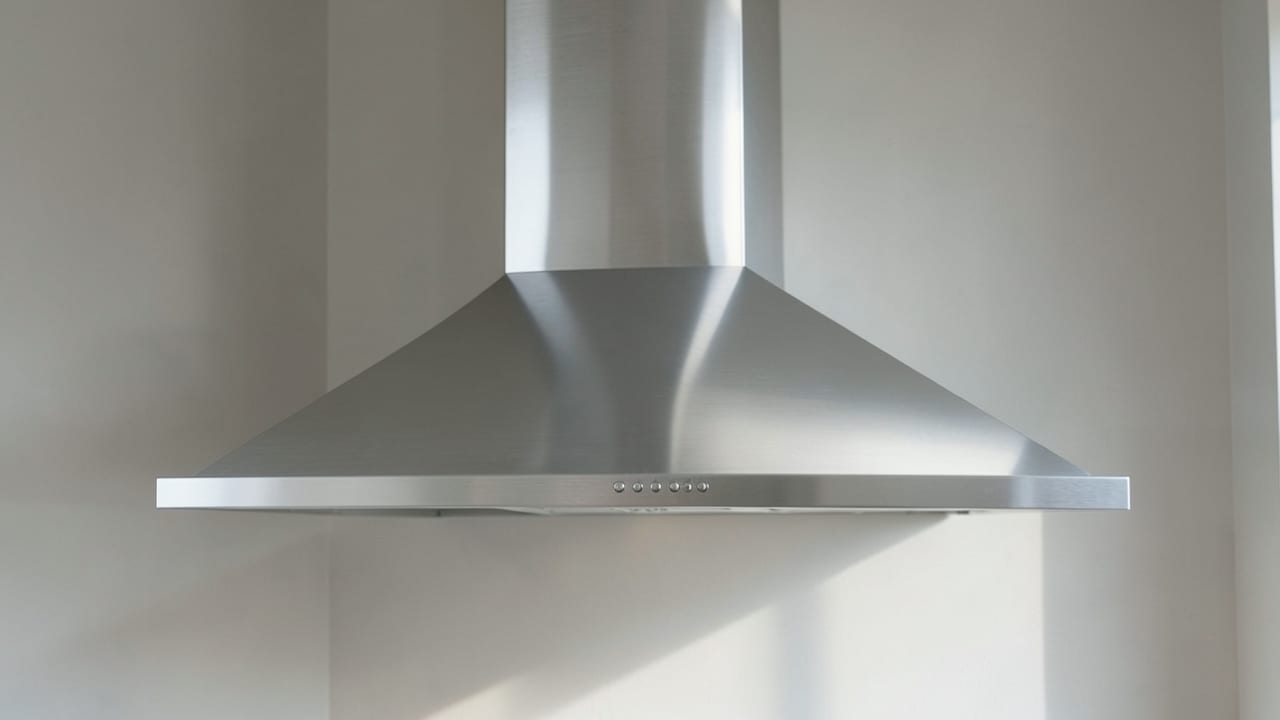
Kitchen Exhaust Hood Cleaning in Highland Park, IL
Commercial and residential kitchen exhaust hood cleaning in Highland Park, IL — removes grease buildup from hoods, filters, and ductwork.
Learn MoreCommon Questions About Air Duct Cleaning in Highland Park
Everything you need to know about air duct cleaning services in Highland Park
How much does Warehouse Duct Cleaning typically cost in Highland Park, IL?
What local factors get checked before recommending duct cleaning in Highland Park, IL?
Does the cleaning process release dust into the rest of the home?
How long does a typical air duct cleaning appointment take?
Can duct cleaning damage older or fragile ductwork?
Does duct cleaning include the coils and blower compartment, or only the ducts themselves?
Need Air Duct Cleaning in Highland Park?
Get a written quote from our Highland Park crew.
⏰ We answer your call • Serving all of Highland Park and surrounding areas