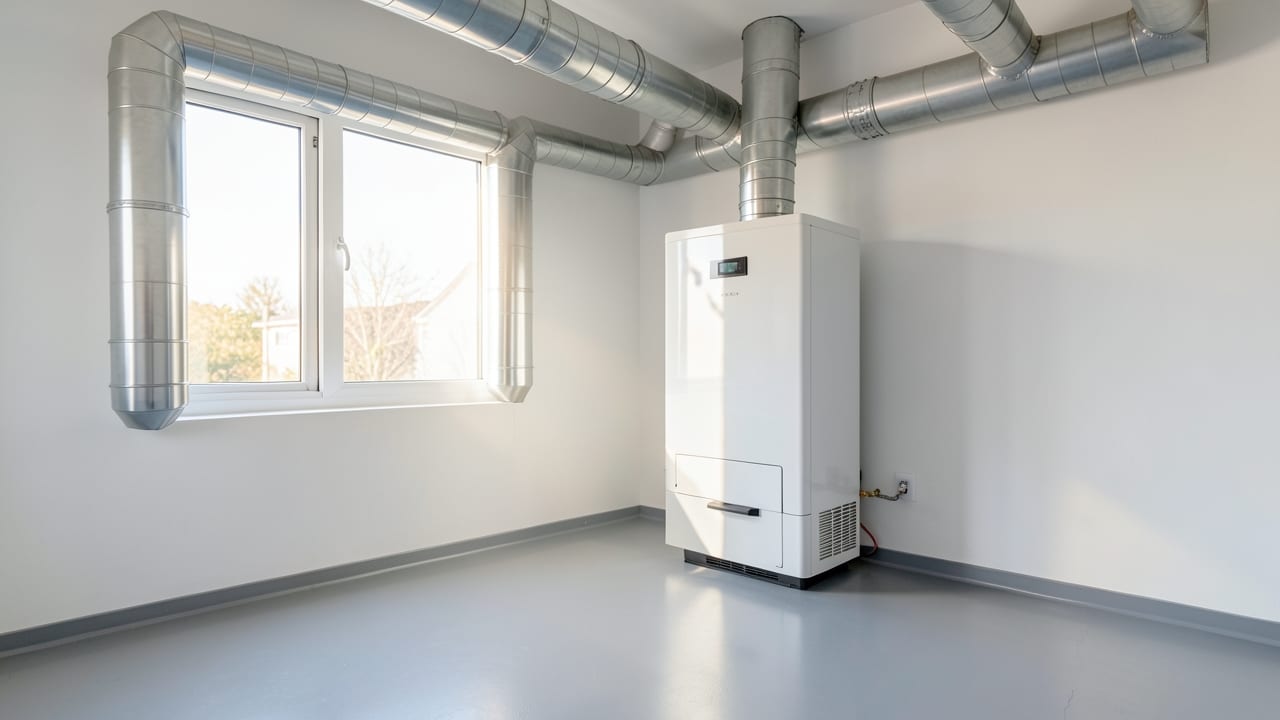
Hard Water Mineral Duct Cleaning
Removal of mineral buildup from HVAC ducts caused by hard water to improve airflow and system efficiency.
Hard water mineral buildup in Highland Park, IL, can reduce HVAC efficiency by clogging ducts with calcium, magnesium, and other mineral deposits. Over time, these accumulations restrict airflow, force your system to work harder, and may lead to uneven heating or cooling.
A targeted cleaning removes these deposits through mechanical agitation and HEPA filtration, restoring airflow and improving comfort in your home.
We also handle UV Light & Sanitization Treatment and Air Filter Replacement for Highland Park properties.
Signs your ducts need hard water mineral cleaning
Mineral deposits in ducts often announce themselves indirectly, rather than through visible buildup. Watch for a puff of dust when your HVAC first turns on, or dust resettling on furniture within days of cleaning—especially near supply vents.
A stale or musty smell that fades once the system shuts off is another clue, as it suggests trapped moisture or organic buildup inside the ducts.
A room that collects dust noticeably faster than others, or a fine gray film reappearing on register grilles after cleaning, often means mineral-laden dust is being actively delivered through the vent. These signs point to buildup deeper in the ductwork, where minerals have compacted over time and reduced airflow efficiency.
Common Indicators of Mineral Buildup
- Dust reappears within days near supply vents after cleaning
- Musty or stale odor while the HVAC is running, but not when off
- Uneven heating/cooling between rooms or floors
- Fine gray film or visible buildup on register grilles
- System runs longer than usual to reach desired temperature
What affects pricing and timing for your cleaning
Pricing for hard water mineral duct cleaning in Highland Park varies based on the scope of work, not just square footage. A typical whole-home service ranges from $290 to $540, but this depends on whether the quote covers only visible vents or includes main trunk lines, coils, and blower components.
Some providers charge per vent, while others use a flat system fee—always confirm which model applies before comparing bids.
How often you’ll need this service depends more on your household’s dust sources than a fixed schedule. Changing air filters every 1–3 months (based on type and household activity) and sealing duct gaps in unfinished spaces help slow buildup.
Homes with pets, high humidity, or hard water sources may require more frequent attention, while others may stretch intervals to 3–5 years between cleanings.
What to watch for during the service
A thorough hard water mineral duct cleaning follows a structured process to minimize disruption and maximize effectiveness. Registers and vents not being worked on are sealed off to prevent dust from blowing back into living spaces, while a negative-pressure HEPA vacuum ensures dislodged debris is contained on-site.
Mechanical agitation—using rotary brushes or compressed-air whips—targets compacted mineral deposits that suction alone can’t remove.
After cleaning, airflow at key registers is checked to confirm improvements. However, results depend on household conditions. For example, a clogged filter or unsealed duct gaps can reintroduce dust quickly. Regular maintenance—like vacuuming registers and sealing leaks—extends the finish between cleanings.
Skipping register sealing during cleaning can let dislodged dust spread throughout your home. Overlooking flexible duct sections risks disconnecting joints, sending conditioned air into wall cavities instead of vents. Excess moisture or biocide treatments without proper drying can also promote new microbial growth inside ducts.
How hard water mineral duct cleaning works
This process targets mineral deposits and compacted dust in your HVAC system using mechanical agitation and containment methods.
- 1System Inspection
A camera or mirror inspection identifies where dust, debris, or mineral buildup is concentrated in supply and return ducts. This step ensures crews focus agitation on the dirtiest sections, avoiding unnecessary work in cleaner areas.
- 2Register Sealing and Negative-Pressure Setup
All registers and vents not being cleaned are sealed off. A negative-pressure HEPA vacuum is connected to pull dislodged material into a filtered collection unit, preventing dust from escaping into living spaces during agitation.
- 3Mechanical Agitation
Rotary brushes or compressed-air whips are run through each duct to knock mineral deposits and compacted dust off interior walls. This step is critical for removing buildup that suction alone cannot dislodge.
- 4HEPA Vacuum Extraction
The loosened debris is pulled into the HEPA-filtered collection system, capturing fine particulate on-site rather than releasing it back into the home through return air.
- 5Register and Diffuser Cleaning
Each supply and return register, grille, and accessible diffuser is removed and cleaned separately, as these surfaces accumulate different types of buildup—like pet hair or surface dust—than deeper duct sections.
Frequently asked questions
How do I know if my ducts need hard water mineral cleaning instead of a standard cleaning?
Look for signs like a gray film on register grilles, dust reappearing quickly near vents, or a stale smell while the HVAC runs. Hard water areas often show mineral crusts inside ducts during inspection, which standard suction methods can’t remove—mechanical agitation is required.
Will sealing my duct gaps really help between cleanings?
Yes. Gaps in unfinished basements, attics, or where ducts connect to registers let dust, pet dander, and even insulation fibers pull directly into the airstream. Sealing these with mastic or metal tape reduces how much new debris enters the system between services.
Why does my HVAC still feel less effective after a cleaning?
If airflow hasn’t improved, mineral deposits may remain in hard-to-reach sections, or your air filter could be clogged. Uneven cooling/heating can also stem from unbalanced duct pressure—an airflow check after cleaning can pinpoint if the issue is mechanical or related to duct design.
How long should I wait before scheduling another cleaning?
There’s no one-size-fits-all answer. Homes with pets, hard water, or unsealed ducts may need attention every 2–3 years, while others stretch intervals to 4–5 years. The key is monitoring for signs like dust puffs or rapid resettling—those indicate it’s time.
Where Highland Park sits, and what the Census lists nearby
Highland Park sits in Illinois, and the closest places listed in the U.S. Census Gazetteer are Highwood (1.6 miles north), Deerfield (2.4 miles southwest), Bannockburn (3.1 miles west), Northbrook (3.9 miles south). Within 25 miles of Highland Park the same source lists 132 distinct incorporated places and census-designated places.
Those figures matter for hard water mineral duct cleaning because they are straight-line distances between Census coordinate points: road mileage between Highland Park and Highwood runs longer than the 1.6 miles shown, which is why quotes for the same job differ between towns that look close together on a map.
Source: U.S. Census Bureau Gazetteer.
See Lake Forest, IL for more, or see our complete Highland Park service list for our complete lineup.
Ready to get started?
Talk to a local air duct cleaning pro in Highland Park — get a written quote.
Other Air Duct Cleaning Services in Highland Park
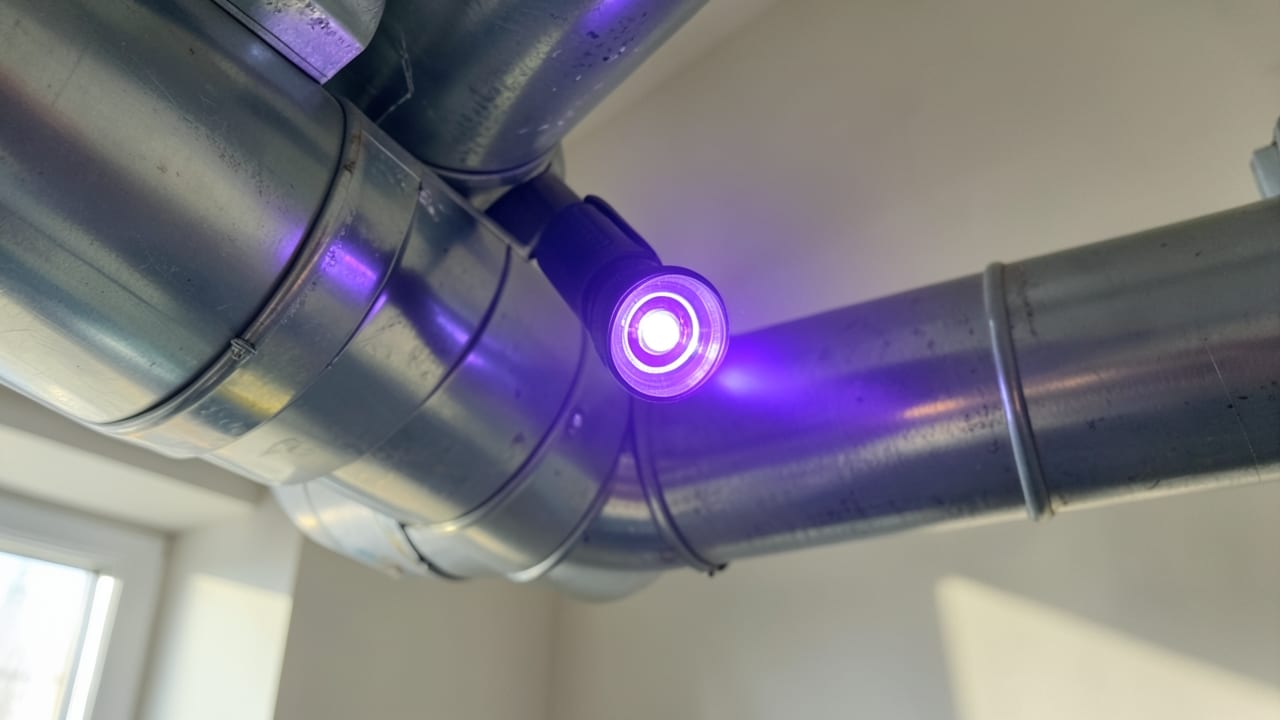
UV Light & Sanitization Treatment in Highland Park, IL
UV-C light installation and duct sanitization treatment in Highland Park, IL — an ongoing defense against microbial growth on the evaporator coil.
Learn More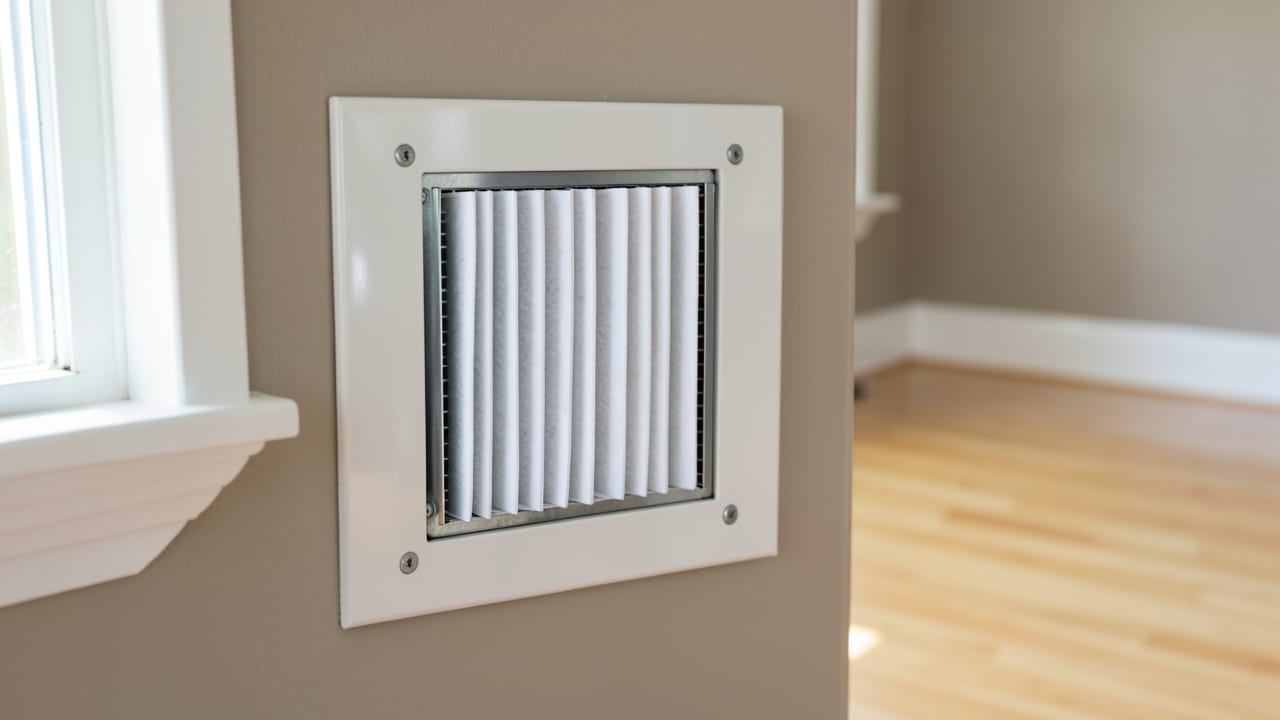
Air Filter Replacement in Highland Park, IL
Air filter replacement and MERV-rating guidance in Highland Park, IL, matched to household needs and system airflow limits.
Learn More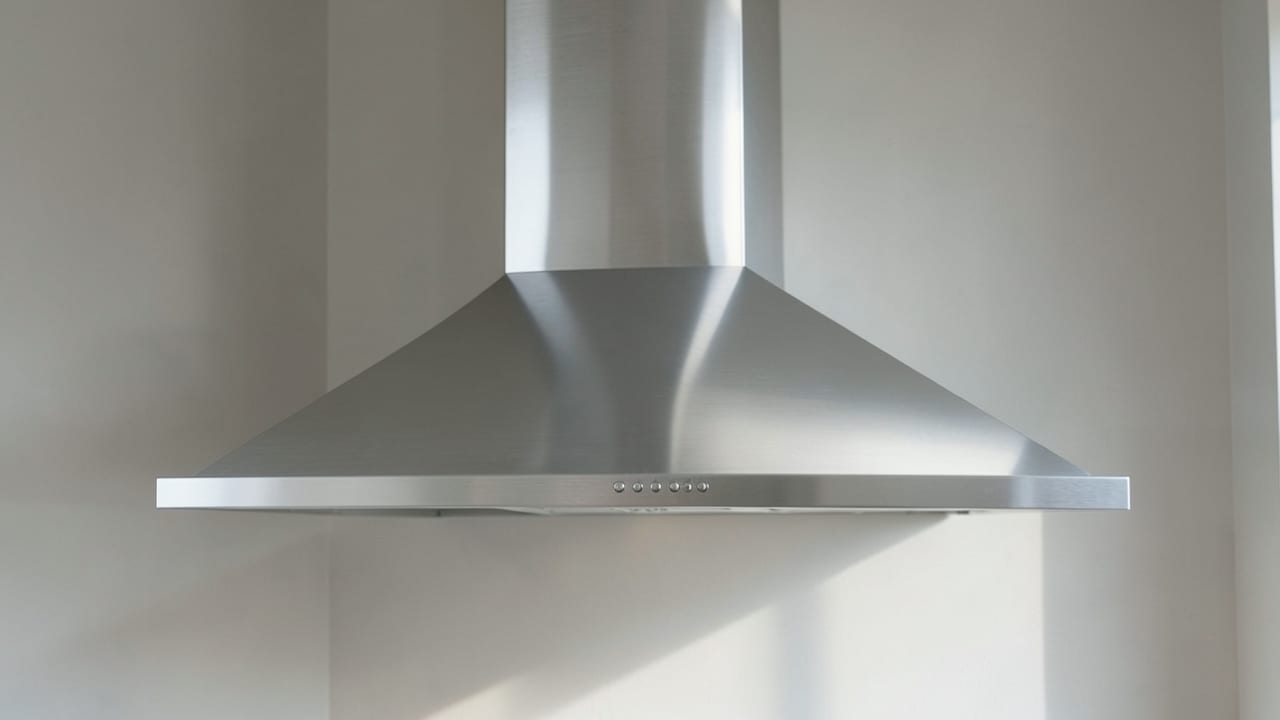
Kitchen Exhaust Hood Cleaning in Highland Park, IL
Commercial and residential kitchen exhaust hood cleaning in Highland Park, IL — removes grease buildup from hoods, filters, and ductwork.
Learn More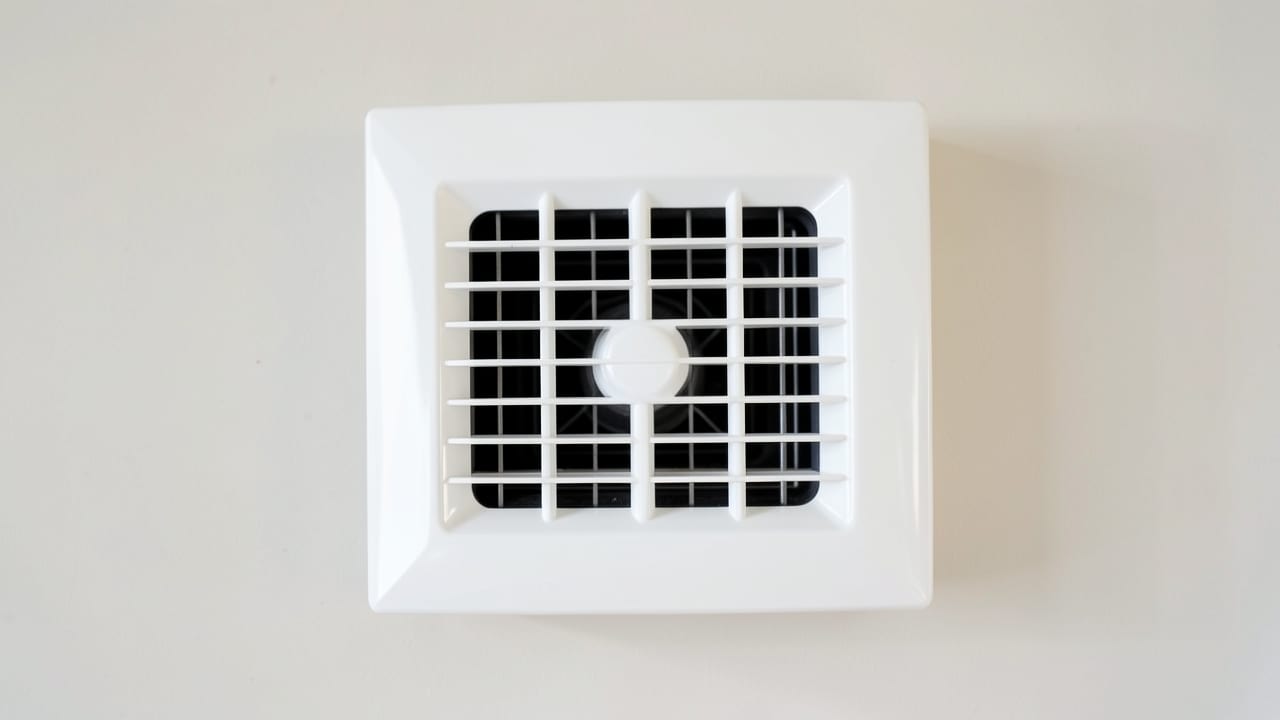
Bathroom Exhaust Fan Cleaning in Highland Park, IL
Bathroom exhaust fan cleaning in Highland Park, IL clears dust and lint from the fan housing and vent run, restoring proper airflow.
Learn More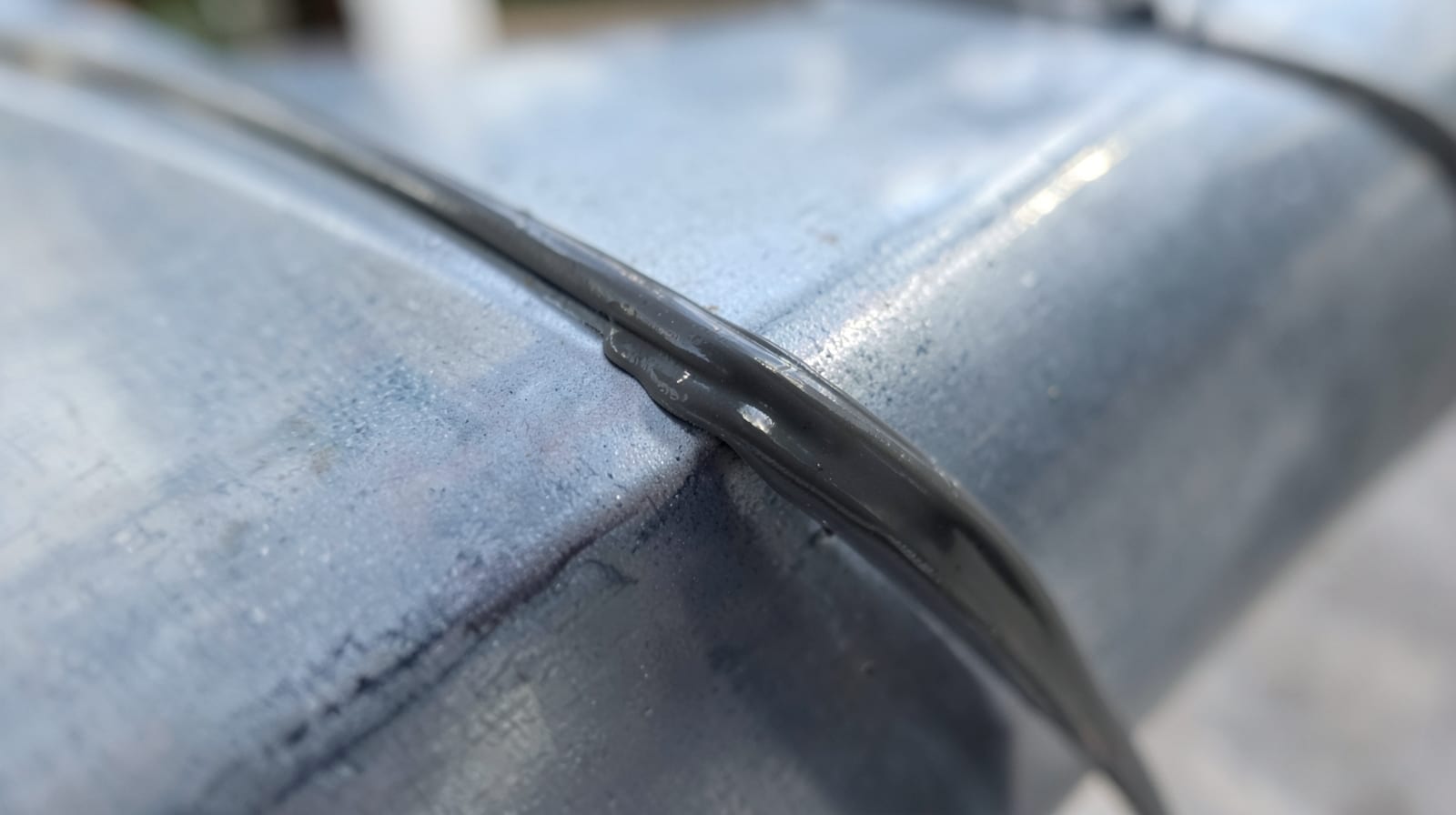
Duct Sealing in Highland Park, IL
Duct sealing in Highland Park, IL closes leaks in supply and return ductwork that waste conditioned air and strain the HVAC system.
Learn More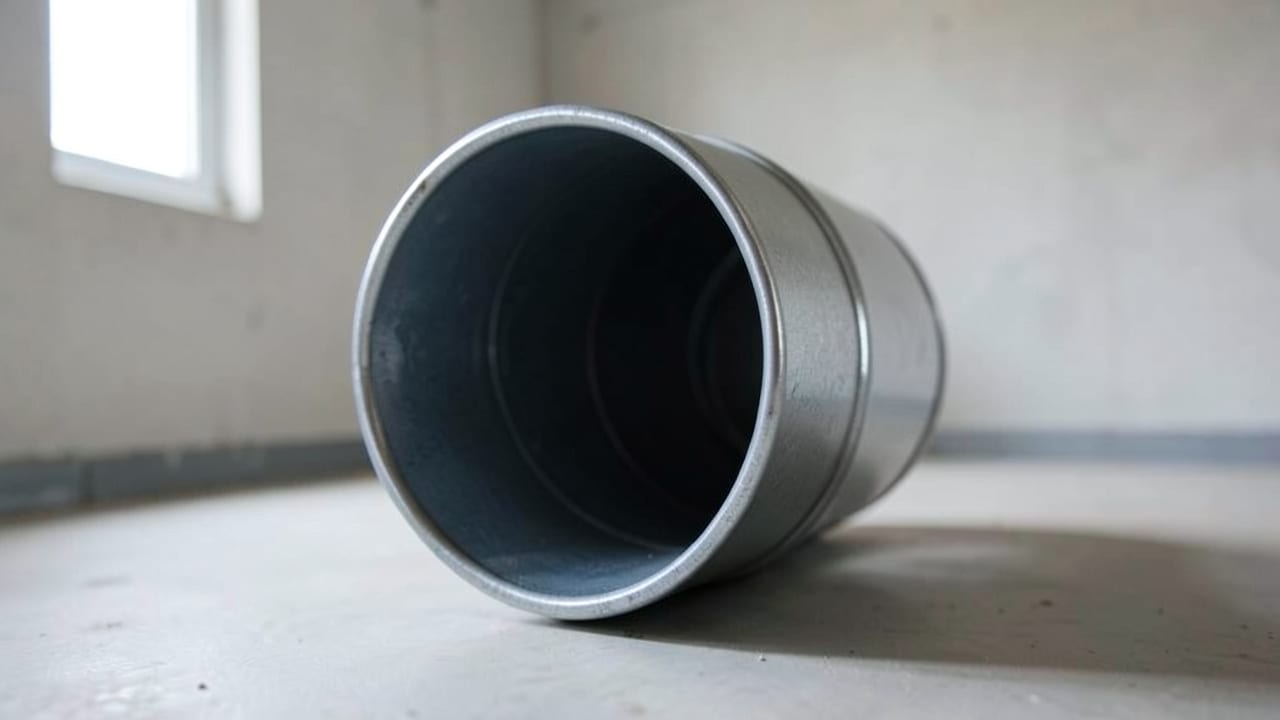
Furnace & Vent Cleaning in Highland Park, IL
Furnace and vent cleaning in Highland Park, IL clears the burner compartment, blower, and venting of dust and combustion byproducts.
Learn MoreCommon Questions About Air Duct Cleaning in Highland Park
Everything you need to know about air duct cleaning services in Highland Park
How much does Hard Water Mineral Duct Cleaning typically cost in Highland Park, IL?
What local factors get checked before recommending duct cleaning in Highland Park, IL?
Can air ducts be cleaned with a household vacuum instead of hiring it out?
Is duct cleaning ever covered by a home warranty or insurance policy?
What's the actual difference between duct cleaning and dryer vent cleaning?
Does the cleaning process release dust into the rest of the home?
Need Air Duct Cleaning in Highland Park?
Get a written quote from our Highland Park crew.
⏰ We answer your call • Serving all of Highland Park and surrounding areas