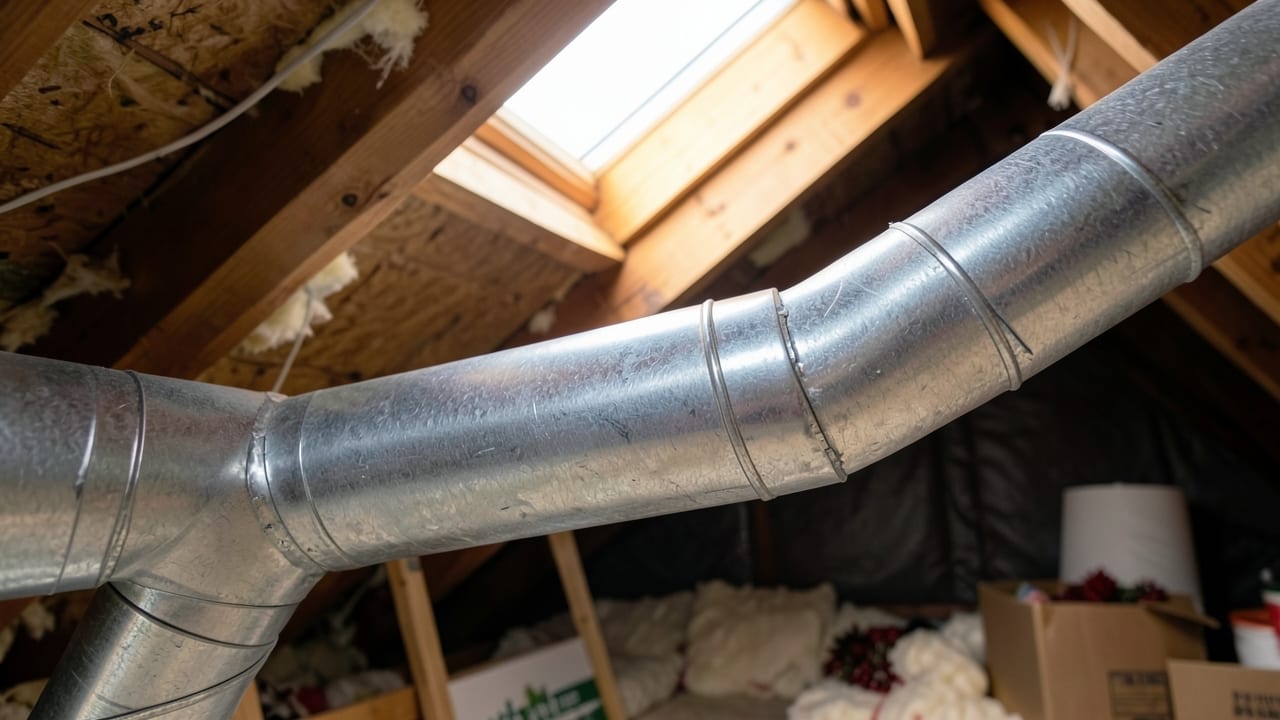
Ductwork Replacement
Replacing old or damaged air ducts to improve HVAC efficiency and indoor air quality.
In Highland Park, IL, aging or damaged ductwork can reduce HVAC efficiency, spread airborne contaminants, and increase energy costs. Ductwork replacement restores proper airflow and system performance by removing deteriorating sections and installing new, sealed ducts tailored to your home’s layout.
This service helps maintain indoor air quality and comfort year-round, especially in older homes where ducts may have deteriorated over time.
We also handle Rectangular Duct Cleaning and Stairwell Vent Cleaning for Highland Park properties.
When ductwork replacement is needed
Ductwork replacement is typically considered when ducts are physically damaged, corroded, or show signs of long-term wear. Common indicators include visible mold growth, persistent musty odors when the HVAC runs, or uneven airflow in different rooms.
If your system struggles to maintain consistent temperatures or you notice dust accumulating near vents shortly after cleaning, these may signal deeper issues requiring replacement rather than just cleaning.
Highland Park’s older homes, built in the early to mid-20th century, often have ductwork made from materials that degrade over time, such as thin metal or poorly insulated sections. Replacement ensures your HVAC system operates efficiently and safely, reducing energy waste and improving air quality for your household.
Signs Your Ductwork Needs Replacement
- A musty or stale smell that appears only when the HVAC is running, not when it’s off.
- Dust or debris visibly blowing out of vents shortly after the system turns on.
- Uneven heating or cooling in different rooms, even after adjusting thermostats.
- Visible mold growth inside ductwork or at vent openings (requires professional inspection).
- Ducts that are visibly corroded, disconnected, or show signs of animal nesting.
What affects pricing and timing
The cost of ductwork replacement depends on factors like the size of your home, the condition of existing ducts, and the materials used for new installation. Labor costs vary based on accessibility—ducts in finished basements or attics may require more time and care than those in unfinished spaces.
Additionally, whether your home’s layout requires custom ductwork or standard runs influences the total price.
Timing for replacement is less about a fixed schedule and more about your home’s specific conditions. Homes with pets, high humidity, or frequent HVAC use may need replacement sooner than others. Regular maintenance, like changing air filters and sealing duct gaps, can extend the lifespan of your ducts between replacements.
What to expect during replacement
During ductwork replacement, the existing system is inspected to identify damaged or inefficient sections. Old ducts are removed, and new ones are installed with proper sealing to prevent leaks.
This process often includes upgrading insulation and ensuring proper airflow balance across all rooms. The goal is to restore your HVAC system’s efficiency and improve indoor air quality.
Highland Park’s climate—with its humid summers and cold winters—makes efficient ductwork especially important. Properly replaced ducts help maintain consistent temperatures and reduce strain on your HVAC system, lowering energy bills over time.
Clear the work area of furniture or valuables near vents and registers. Ensure pets and children are supervised or kept away during the process, as dust and debris may be present. Confirm with the technician whether your HVAC system requires temporary shutdown during installation.
How ductwork replacement works
- 1System Inspection
A professional inspects your ductwork using cameras or mirrors to identify damaged, corroded, or inefficient sections. This step determines which ducts need full replacement and which can be repaired or left in place.
- 2Duct Removal
Old or damaged ducts are carefully removed, section by section. This may involve cutting through walls or ceilings in accessible areas to ensure complete removal of deteriorated material.
- 3New Duct Installation
New ducts are installed with proper sealing at joints to prevent air leaks. Insulation is added where needed, and the system is balanced to ensure even airflow throughout your home.
- 4Airflow Verification
After installation, airflow is tested at multiple vents to confirm the system is performing as expected. Adjustments are made to ensure all rooms receive consistent heating and cooling.
- 5Final Cleanup
The work area is cleaned, and any temporary openings in walls or ceilings are sealed. A post-installation check ensures the system is ready for regular use.
Frequently asked questions
How long does ductwork replacement typically take?
The timeline varies based on your home’s size and ductwork complexity, but most replacements take 1–3 days. Accessibility—such as ducts hidden in finished spaces—can extend the process.
Will replacing my ducts improve my home’s air quality?
Yes, if your ducts were damaged or contaminated, replacement removes the source of issues like mold, dust, or debris buildup. However, ongoing maintenance—like changing filters and sealing gaps—helps sustain cleaner air.
Do I need to replace my HVAC unit at the same time?
Not necessarily. Ductwork replacement focuses on the air delivery system, while your HVAC unit handles heating and cooling. However, if your unit is old or inefficient, replacing both may be more cost-effective long-term.
How can I tell if my ducts need replacement instead of just cleaning?
If ducts are physically damaged, corroded, or show signs of mold, replacement is likely needed. Cleaning may suffice for dust or mild debris buildup, but persistent issues like uneven airflow or musty smells often point to deeper problems.
Where Highland Park sits, and what the Census lists nearby
Highland Park sits in Illinois, and the closest places listed in the U.S. Census Gazetteer are Highwood (1.6 miles north), Deerfield (2.4 miles southwest), Bannockburn (3.1 miles west), Northbrook (3.9 miles south). Within 25 miles of Highland Park the same source lists 132 distinct incorporated places and census-designated places.
Those figures matter for ductwork replacement because they are straight-line distances between Census coordinate points: road mileage between Highland Park and Highwood runs longer than the 1.6 miles shown, which is why quotes for the same job differ between towns that look close together on a map.
Source: U.S. Census Bureau Gazetteer.
See Mount Prospect, IL for more, or browse the full air duct cleaning lineup we run in Highland Park before booking for our complete lineup.
Ready to get started?
Talk to a local air duct cleaning pro in Highland Park — get a written quote.
Other Air Duct Cleaning Services in Highland Park
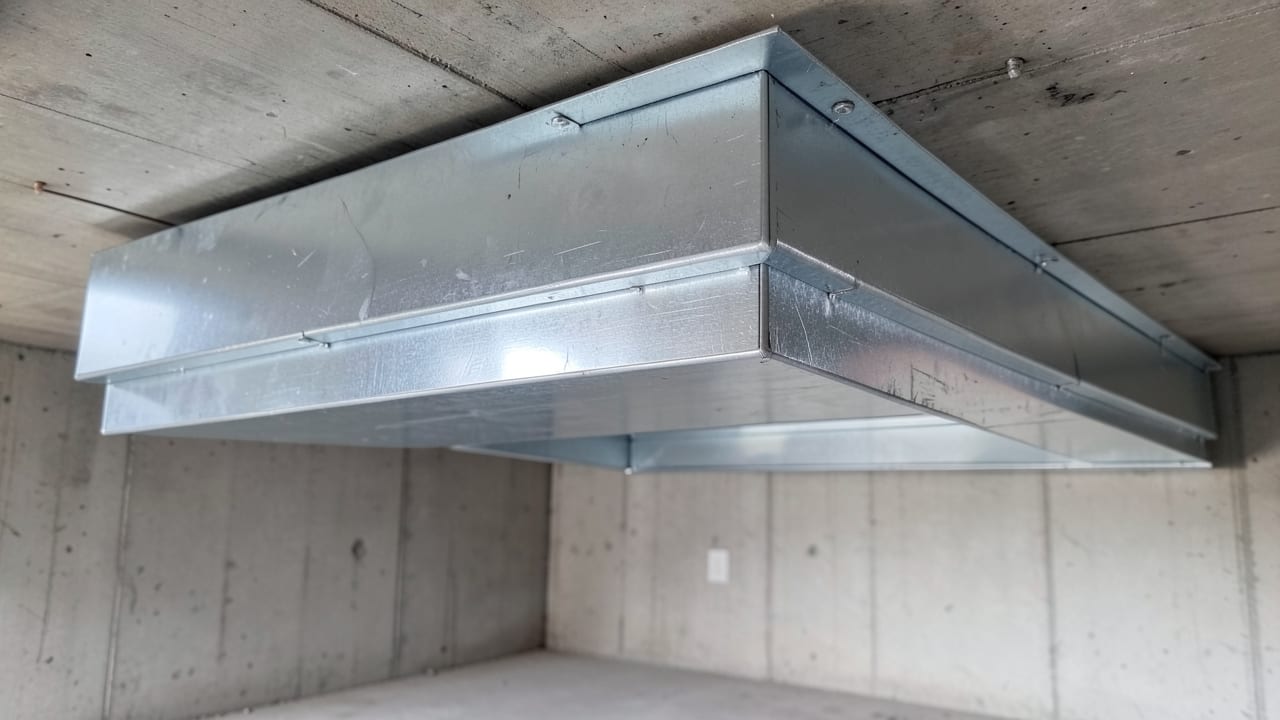
Rectangular Duct Cleaning in Highland Park, IL
Professional cleaning of rectangular HVAC ductwork to remove dust, debris, and contaminants.
Learn More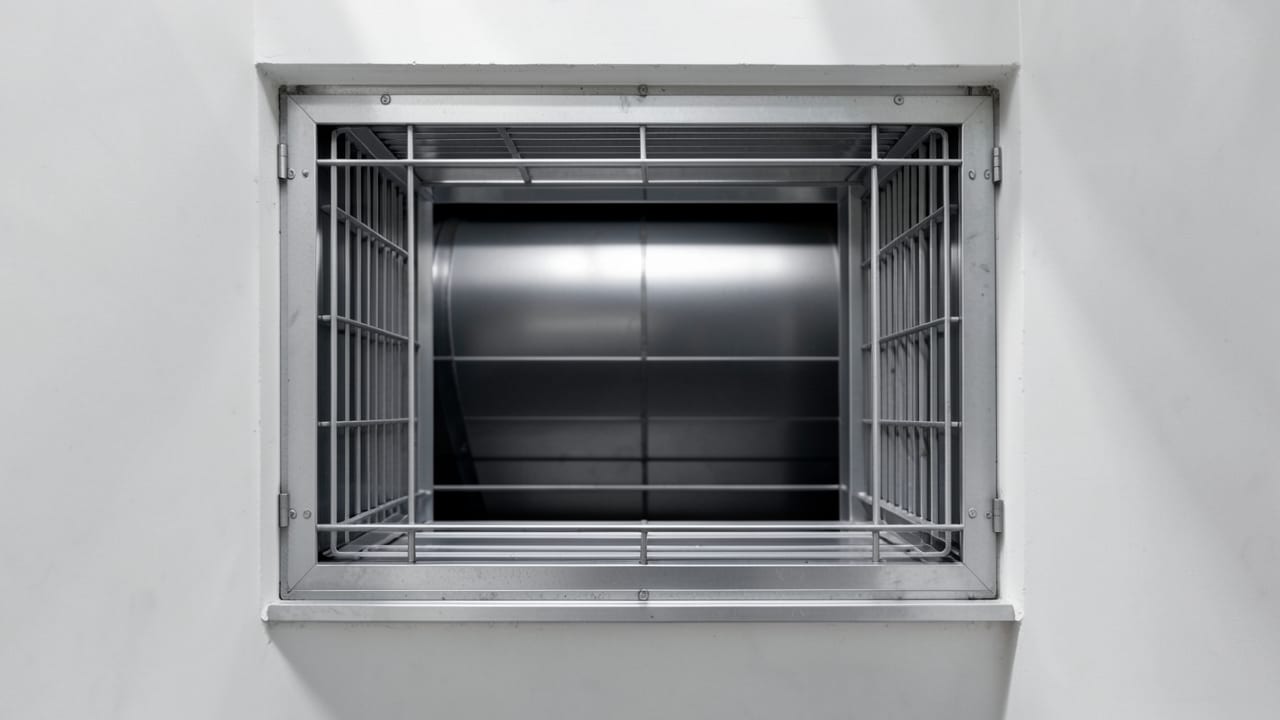
Stairwell Vent Cleaning in Highland Park, IL
Professional cleaning of stairwell ventilation systems to improve airflow and remove dust and debris.
Learn More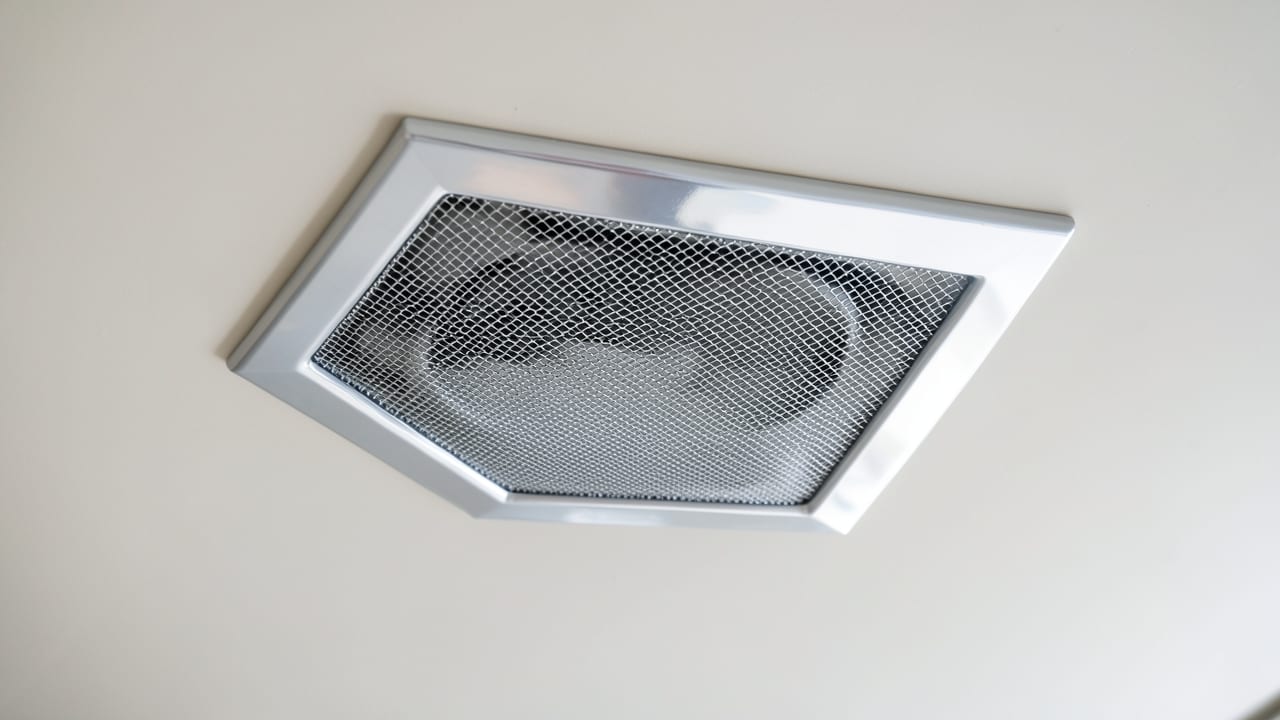
Pantry Vent Cleaning in Highland Park, IL
Professional cleaning of pantry ventilation systems to remove grease, dust, and debris buildup.
Learn More
Apartment Duct Cleaning in Highland Park, IL
Professional cleaning of apartment HVAC ducts to remove dust, debris, and allergens.
Learn More
HOA Duct Cleaning in Highland Park, IL
Professional cleaning of air ducts and HVAC systems to improve indoor air quality.
Learn More
Warehouse Duct Cleaning in Highland Park, IL
Professional cleaning of warehouse air ducts and HVAC systems to improve airflow and indoor air quality.
Learn MoreCommon Questions About Air Duct Cleaning in Highland Park
Everything you need to know about air duct cleaning services in Highland Park
How much does Ductwork Replacement typically cost in Highland Park, IL?
What local factors get checked before recommending duct cleaning in Highland Park, IL?
Does dirty ductwork actually cause allergy or respiratory symptoms?
Can air ducts be cleaned with a household vacuum instead of hiring it out?
Is duct cleaning ever covered by a home warranty or insurance policy?
What's the actual difference between duct cleaning and dryer vent cleaning?
Need Air Duct Cleaning in Highland Park?
Get a written quote from our Highland Park crew.
⏰ We answer your call • Serving all of Highland Park and surrounding areas