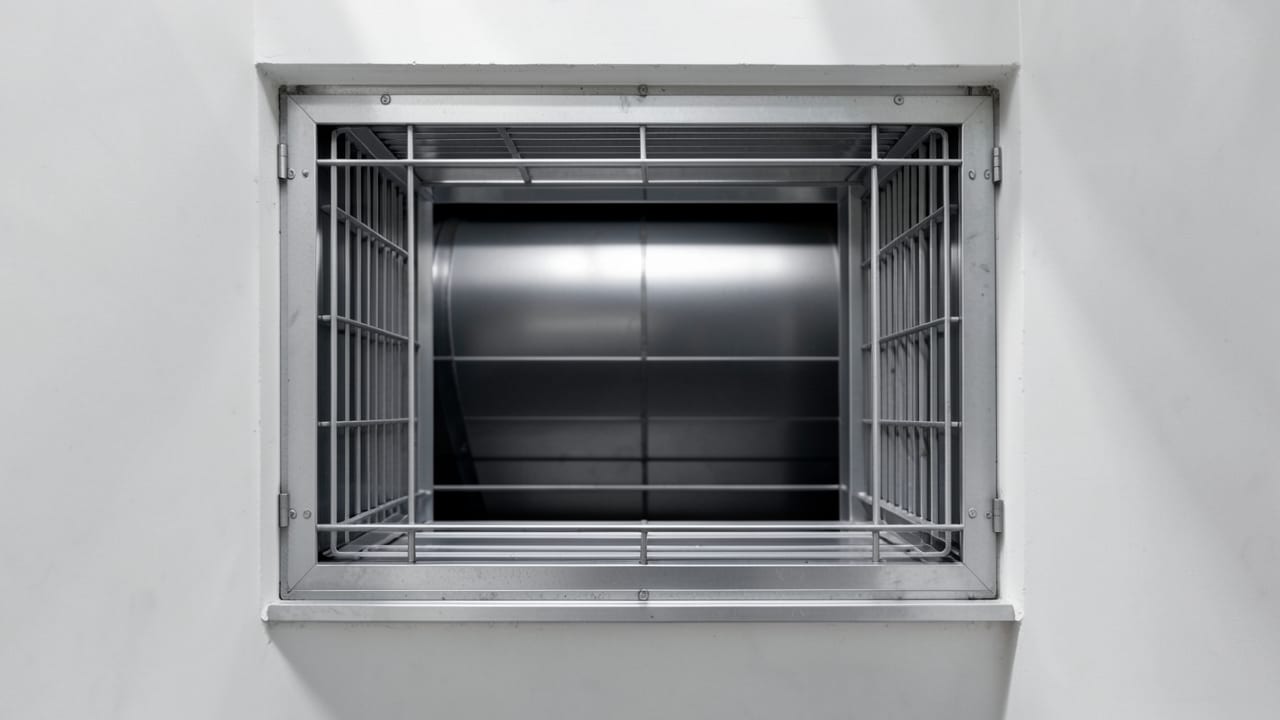
Stairwell Vent Cleaning
Professional cleaning of stairwell ventilation systems to improve airflow and remove dust and debris.
Stairwell vent cleaning in Highland Park, IL removes accumulated dust, allergens, and debris from the ventilation systems in multi-story homes. This service helps maintain proper airflow and indoor air quality by targeting the often-overlooked stairwell ducts, which can collect significant buildup over time.
Why stairwell vents need cleaning
Stairwell vents are prone to dust and debris buildup because they’re often overlooked during routine HVAC maintenance. Over time, this accumulation can restrict airflow, reduce system efficiency, and even circulate contaminants throughout your home.
We also handle Register Cleaning and Concrete Duct Cleaning for Highland Park properties.
Signs like visible dust near vents or a musty smell when the system runs may indicate the need for cleaning.
Unlike other vents, stairwell ducts can trap moisture and organic matter, creating an environment where mold or pests may develop. Regular cleaning helps prevent these issues while improving the overall performance of your HVAC system.
Signs Your Stairwell Vents Need Cleaning
- A puff of dust appears when the HVAC system first turns on, especially near supply vents.
- Dust resettles on furniture within a day or two of cleaning, particularly near stairwell vents.
- A musty or stale smell is noticeable while the system is running but fades when it shuts off.
- Visible dust buildup or a gray film appears on or near register grilles, especially if it reappears quickly after wiping.
- Airflow feels weaker in certain rooms, or some areas stay cooler or warmer than others.
What affects pricing and timing?
Pricing for stairwell vent cleaning depends on the number of vents serviced, the extent of debris buildup, and the method used. Return vents, which are larger and hold more debris, typically cost more than supply vents.
Timing varies by household—factors like pet shedding, air filter changes, and household activity levels influence how quickly ducts accumulate dust.
Industry recommendations for cleaning frequency range widely, from once a year to once every five years, because the real answer depends on your home’s specific conditions. Regular maintenance, like sealing duct gaps and vacuuming registers, can extend the time between cleanings.
What to watch for after cleaning
After cleaning, check for improved airflow and reduced dust near vents. If dust resettles quickly or airflow doesn’t improve, it may indicate deeper issues like disconnected flex duct or gaps in the system.
A musty smell persisting after cleaning could signal moisture or biological growth inside the ducts, which may require additional treatment.
Sealing duct connections and changing air filters regularly can help maintain results between cleanings. Vacuuming registers and keeping pets groomed also reduces how quickly dust re-enters the system.
Aggressive cleaning methods can sometimes disconnect flex duct sections, causing conditioned air to blow into wall cavities instead of living spaces. Always verify airflow at multiple registers after cleaning to confirm the system is functioning as intended.
How stairwell vent cleaning works
This service follows a structured process to safely and effectively remove debris from stairwell ducts.
- 1System Inspection
A camera or mirror is used to inspect supply and return ducts, identifying areas with heavy dust, debris, or biological growth before cleaning begins.
- 2Register Sealing
Non-working registers are sealed, and a negative-pressure collection unit is connected to the system to capture dislodged dust instead of releasing it into living spaces.
- 3Mechanical Agitation
A rotary brush or compressed-air whip is run through each duct to loosen and remove built-up dust from interior walls, ensuring compacted debris doesn’t remain.
- 4HEPA Vacuum Extraction
Dislodged material is pulled into a HEPA-filtered collection system, preventing fine particles from re-entering the home through return air.
- 5Airflow Verification
After reassembling the system, airflow is checked at several registers to confirm improvements and ensure no issues like disconnected duct sections were created during cleaning.
Frequently asked questions
How often should stairwell vents be cleaned in a multi-story home?
There’s no one-size-fits-all answer—it depends on factors like pets, air filter changes, and household activity. Industry guidance varies widely, from once a year to once every five years, but homes with heavy dust or allergies may need more frequent attention.
Will cleaning my stairwell vents improve my home’s air quality?
Cleaning removes accumulated dust, allergens, and debris, which can help reduce airborne contaminants. However, results depend on the extent of buildup and ongoing maintenance like filter changes and sealing duct gaps.
What’s the difference between cleaning supply and return vents?
Supply vents distribute conditioned air into rooms, while return vents pull air back into the system. Return vents often hold more debris and are typically larger, which is why they cost more to clean.
Can cleaning stairwell vents help with musty smells in my home?
If the smell is coming from the ducts, cleaning may reduce or eliminate it. However, persistent mustiness could indicate moisture or biological growth inside the system, which may require additional treatment beyond standard cleaning.
Where Highland Park sits, and what the Census lists nearby
Highland Park sits in Illinois, and the closest places listed in the U.S. Census Gazetteer are Highwood (1.6 miles north), Deerfield (2.4 miles southwest), Bannockburn (3.1 miles west), Northbrook (3.9 miles south). Within 25 miles of Highland Park the same source lists 132 distinct incorporated places and census-designated places.
Those figures matter for stairwell vent cleaning because they are straight-line distances between Census coordinate points: road mileage between Highland Park and Highwood runs longer than the 1.6 miles shown, which is why quotes for the same job differ between towns that look close together on a map.
Source: U.S. Census Bureau Gazetteer.
See Winnetka, IL for more, or find out about the full air duct cleaning lineup we run in Highland Park side by side for our complete lineup.
Ready to get started?
Talk to a local air duct cleaning pro in Highland Park — get a written quote.
Other Air Duct Cleaning Services in Highland Park
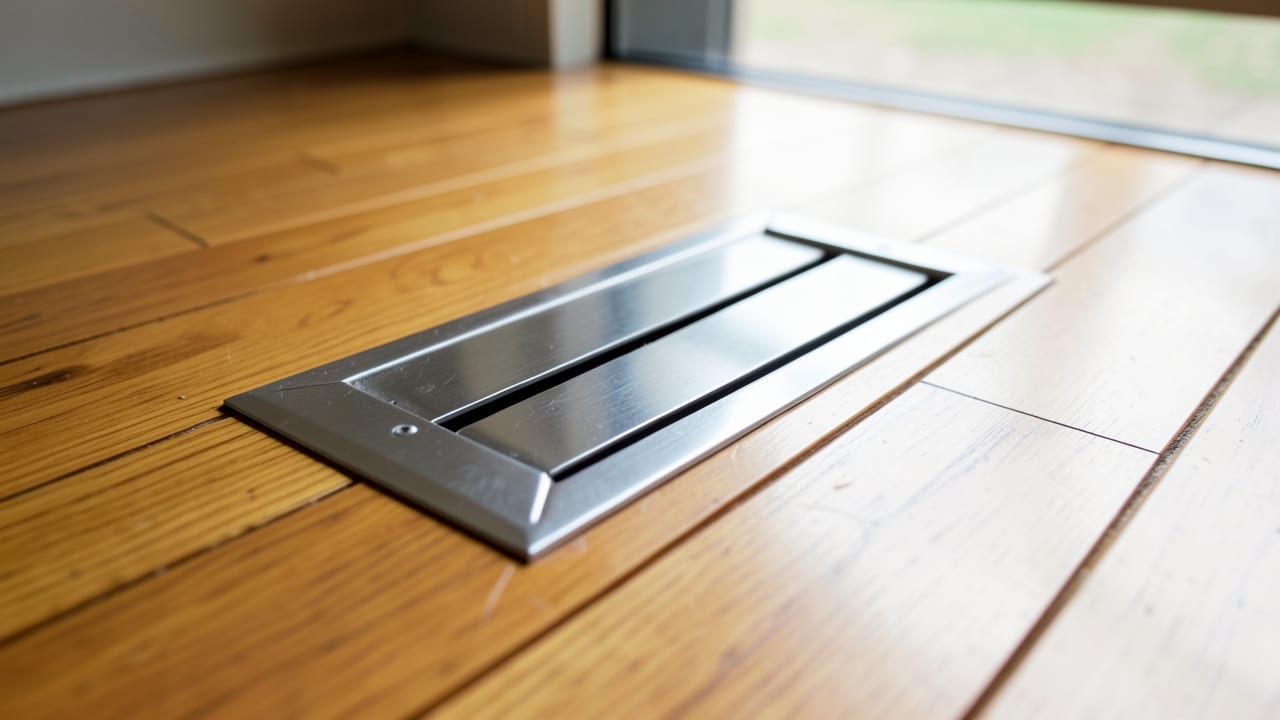
Register Cleaning in Highland Park, IL
Professional cleaning of air ducts and HVAC system components to improve airflow and indoor air quality.
Learn More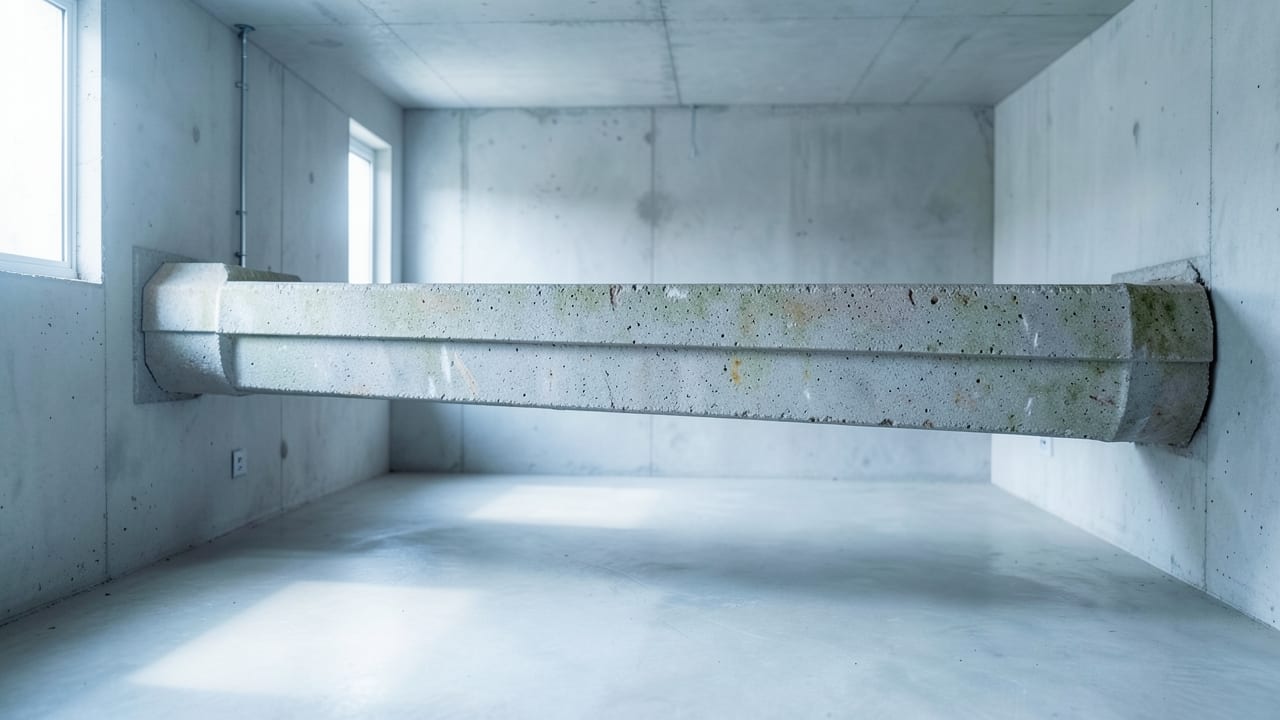
Concrete Duct Cleaning in Highland Park, IL
Professional cleaning of concrete ductwork to remove dust, debris, and contaminants from HVAC systems.
Learn More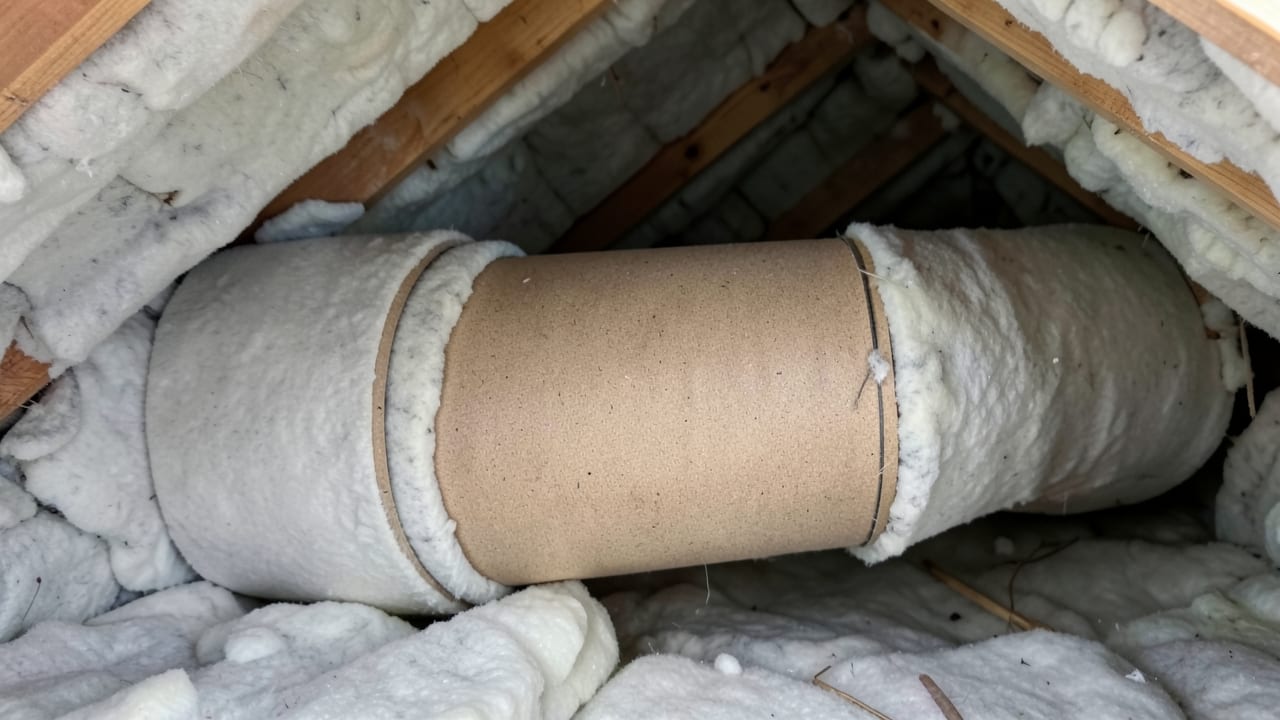
Fiberboard Duct Cleaning in Highland Park, IL
Professional cleaning of fiberboard HVAC ducts to remove dust, debris, and contaminants.
Learn More
Galvanized Duct Cleaning in Highland Park, IL
Professional cleaning of galvanized air ducts to remove dust, debris, and contaminants from HVAC systems.
Learn More
Stainless Steel Duct Cleaning in Highland Park, IL
Professional cleaning of stainless steel ductwork to remove dust, debris, and contaminants from HVAC systems.
Learn More
Rectangular Duct Cleaning in Highland Park, IL
Professional cleaning of rectangular HVAC ductwork to remove dust, debris, and contaminants.
Learn MoreCommon Questions About Air Duct Cleaning in Highland Park
Everything you need to know about air duct cleaning services in Highland Park
How much does Stairwell Vent Cleaning typically cost in Highland Park, IL?
What local factors get checked before recommending duct cleaning in Highland Park, IL?
Does dirty ductwork actually cause allergy or respiratory symptoms?
Can air ducts be cleaned with a household vacuum instead of hiring it out?
Is duct cleaning ever covered by a home warranty or insurance policy?
What's the actual difference between duct cleaning and dryer vent cleaning?
Need Air Duct Cleaning in Highland Park?
Get a written quote from our Highland Park crew.
⏰ We answer your call • Serving all of Highland Park and surrounding areas