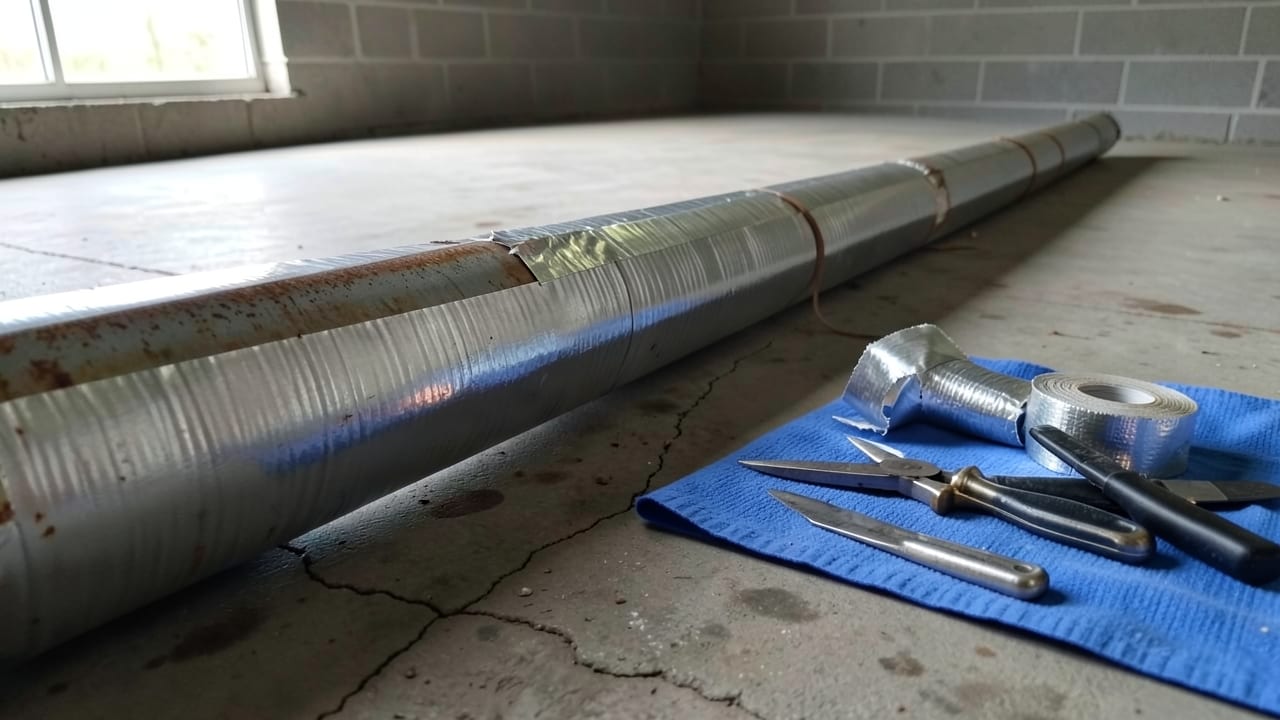
Ductwork Repair
Repairing or sealing damaged air ducts to restore HVAC efficiency and airflow.
Ductwork repair in Highland Park, IL, restores proper airflow and energy efficiency by addressing leaks, disconnections, or damage in your HVAC system. Over time, ducts can deteriorate, leading to dust buildup, reduced performance, and uneven heating or cooling.
A thorough inspection and targeted repairs help ensure conditioned air reaches every room effectively, improving comfort and system longevity.
We also handle Ductwork Replacement and Blower Motor Cleaning for Highland Park properties.
Signs your ductwork needs repair
Ductwork issues often reveal themselves through subtle but persistent problems in your home. A puff of dust when your HVAC system first turns on, or dust resettling quickly on furniture near vents, may indicate leaks or poor airflow.
Rooms that collect dust faster than others, or a musty smell that fades once the system shuts off, are common red flags. These signs suggest dust or debris is being actively delivered through the ducts rather than settling naturally.
Visible buildup at register grilles—especially a fine gray film that reappears after cleaning—points to deeper problems inside the ductwork. If you notice uneven temperatures between rooms, weak airflow from certain vents, or higher energy bills without explanation, these could also signal damaged or disconnected duct sections.
Addressing these issues early prevents further damage and improves system efficiency.
When to Suspect Ductwork Repair is Needed
- Dust appears within days of cleaning, especially near supply vents.
- A musty or stale smell is noticeable only when the HVAC system is running.
- Some rooms stay cooler or warmer than others despite consistent thermostat settings.
- Visible dust or debris accumulates at register grilles shortly after cleaning.
- Energy bills rise unexpectedly without changes in usage or seasonal shifts.
What affects ductwork repair costs and timing?
The cost and frequency of ductwork repair depend on the scope of the damage, the size of your home, and how quickly dust or debris re-enters the system.
Unlike duct cleaning, which is often recommended on a fixed schedule (though industry guidance varies widely), repairs are triggered by specific issues like leaks, crushed sections, or disconnected joints.
The most common factor influencing timing is how well sealed your ducts are—gaps or poor connections allow dust and contaminants to enter more easily between services.
Maintaining your HVAC system plays a critical role. Changing air filters every 1–3 months reduces the amount of dust bypassing into the ducts, while sealing obvious gaps at register boots or duct joints slows recontamination.
In homes with pets, frequent grooming and vacuuming at the source can delay the need for repairs by limiting how much debris enters the system in the first place.
Common mistakes during ductwork repair
Not all ductwork repair methods are equal, and skipping critical steps can lead to ineffective results or even new problems. For example, failing to seal off registers and vents not being worked on during cleaning allows dislodged dust to blow directly into living spaces, defeating the purpose of the service.
Similarly, aggressive brushing or air whips can disconnect flex duct sections, redirecting conditioned air into wall cavities or attics instead of your home.
Another risk is applying moisture-based treatments or biocides without proper drying, which can create a damp environment inside the ducts—promoting mold or microbial growth over time. These oversights highlight why a thorough inspection and targeted approach are essential for effective repairs.
Always verify that the crew checks airflow before and after the work to confirm improvements.
Disconnected flex duct or unsealed registers can redirect airflow or spread dust, while moisture treatments may encourage mold growth if not fully dried.
How ductwork repair works
- 1System Inspection
A camera or mirror inspection identifies leaks, gaps, or damage in supply and return ducts, pinpointing where airflow is disrupted or debris is concentrated.
- 2Register Sealing and Negative-Pressure Setup
Non-working registers are sealed, and a HEPA-filtered collection unit is connected to pull dislodged dust into the system rather than releasing it into the home.
- 3Mechanical Agitation and Debris Removal
Rotary brushes or air whips loosen built-up dust from duct walls, which is then extracted through the negative-pressure unit into a HEPA-filtered collector.
- 4Register and Diffuser Cleaning
Supply and return registers, grilles, and diffusers are removed and cleaned separately to address surface-level buildup distinct from deeper duct debris.
- 5Airflow Verification
After reassembly, airflow at multiple registers is checked to confirm improvements in circulation compared to pre-service readings.
Frequently asked questions
How do I know if my ductwork needs repair instead of just cleaning?
Repairs are typically needed if you notice disconnected sections, crushed ducts, or visible damage during an inspection. Signs like uneven airflow, musty smells when the system runs, or dust reappearing quickly after cleaning also suggest leaks or structural issues requiring repair rather than just maintenance.
Can ductwork repairs improve my HVAC system’s efficiency?
Yes, fixing leaks or gaps in ductwork restores proper airflow, reducing energy waste. However, efficiency gains depend on the extent of the damage and how well the system was maintained before repairs. A thorough inspection helps determine if repairs will address the root cause of reduced performance.
What should I do if mold or pests are found during ductwork repair?
Mold or pest contamination often requires specialized remediation beyond standard cleaning. The crew may recommend additional steps, such as antimicrobial treatments or sealing entry points, to prevent recurrence. Always ask for a clear explanation of any extra work needed before proceeding.
How often should I have my ductwork inspected for potential repairs?
There’s no one-size-fits-all answer, but inspecting ducts every 3–5 years—or sooner if you notice signs of damage—helps catch issues early. Homes with pets, poor filtration, or visible dust problems may need more frequent checks to maintain airflow and air quality.
Where Highland Park sits, and what the Census lists nearby
Highland Park sits in Illinois, and the closest places listed in the U.S. Census Gazetteer are Highwood (1.6 miles north), Deerfield (2.4 miles southwest), Bannockburn (3.1 miles west), Northbrook (3.9 miles south). Within 25 miles of Highland Park the same source lists 132 distinct incorporated places and census-designated places.
Those figures matter for ductwork repair because they are straight-line distances between Census coordinate points: road mileage between Highland Park and Highwood runs longer than the 1.6 miles shown, which is why quotes for the same job differ between towns that look close together on a map.
Source: U.S. Census Bureau Gazetteer.
See Winnetka, IL for more, or explore everything on offer in Highland Park on a single page for our complete lineup.
Ready to get started?
Talk to a local air duct cleaning pro in Highland Park — get a written quote.
Other Air Duct Cleaning Services in Highland Park
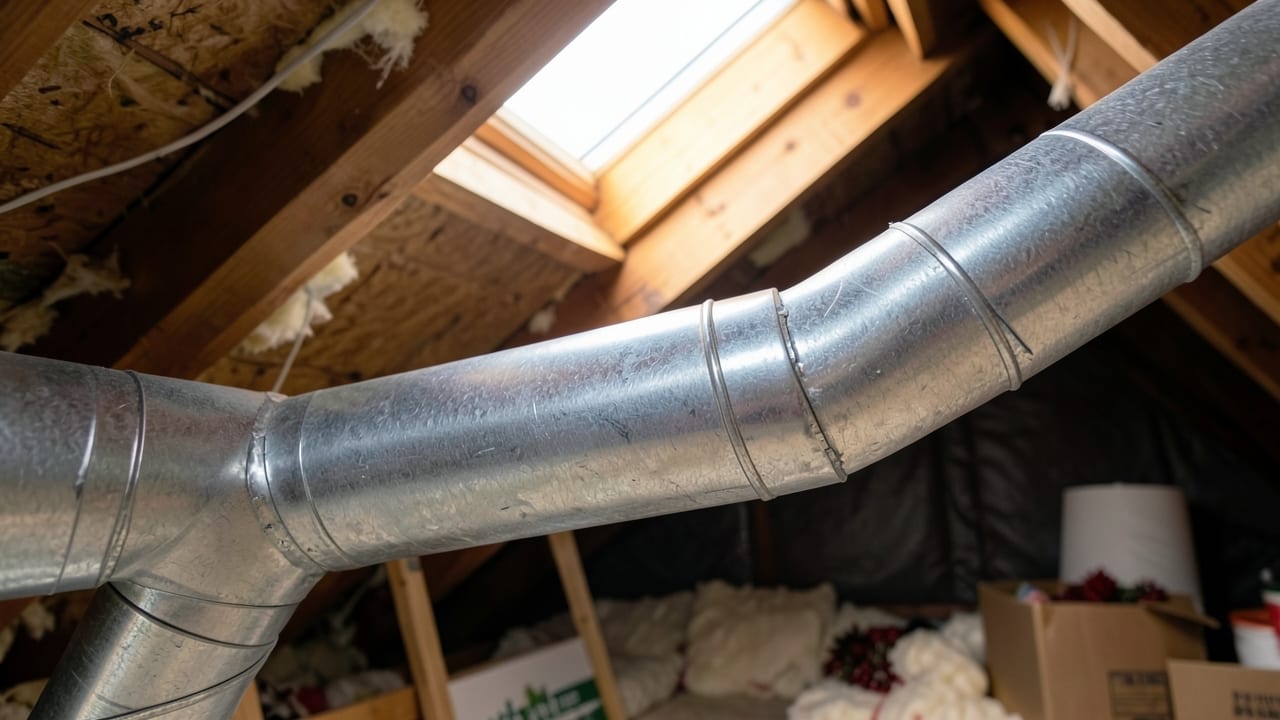
Ductwork Replacement in Highland Park, IL
Replacing old or damaged air ducts to improve HVAC efficiency and indoor air quality.
Learn More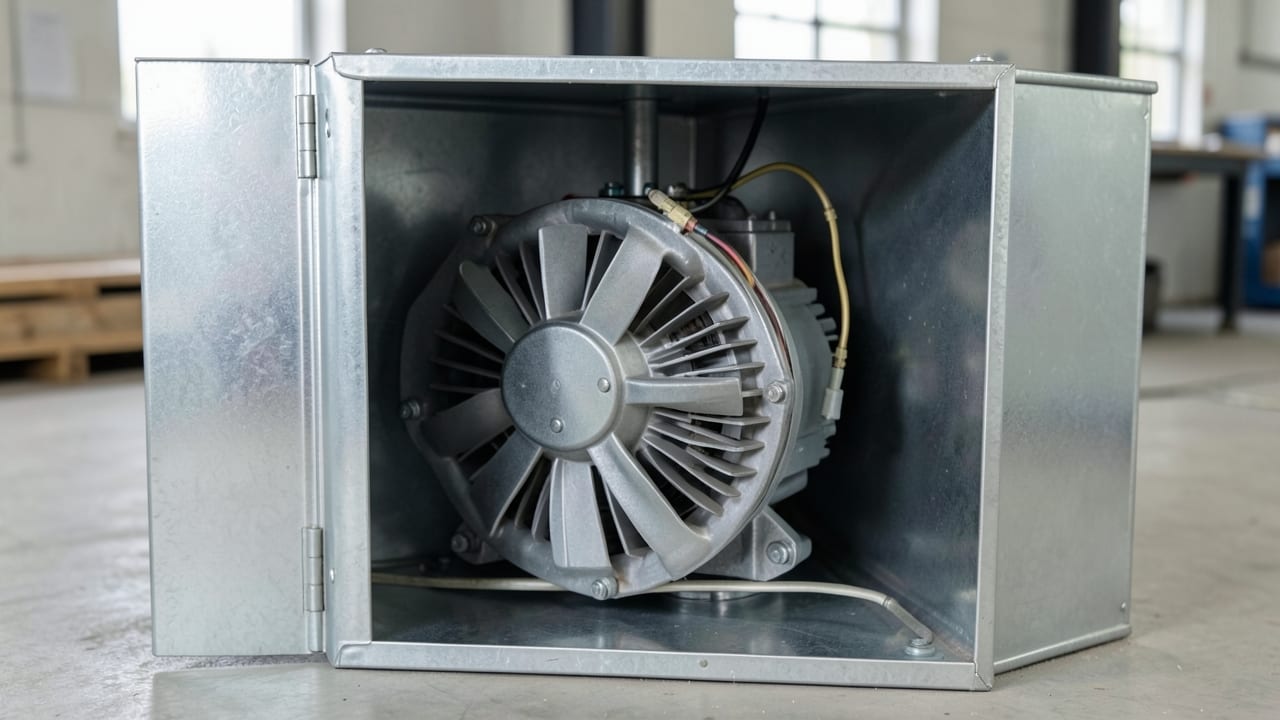
Blower Motor Cleaning in Highland Park, IL
Professional cleaning of the blower motor in HVAC systems to improve airflow and efficiency.
Learn More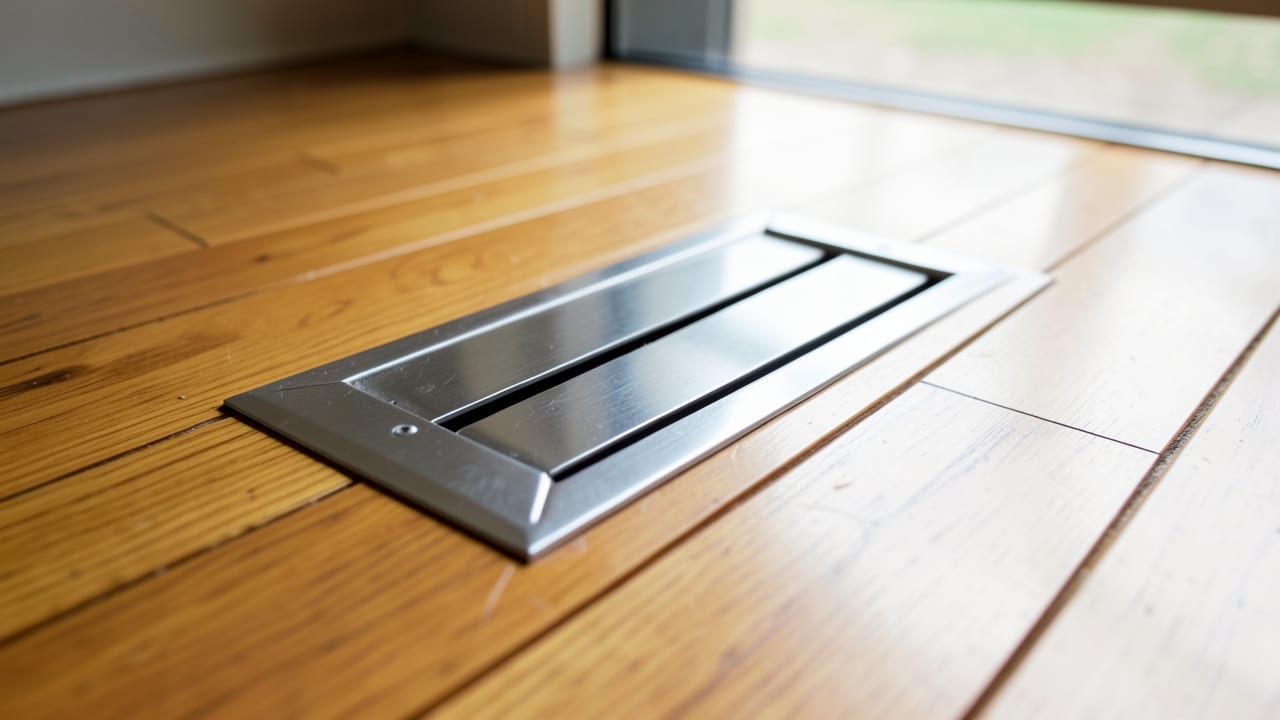
Register Cleaning in Highland Park, IL
Professional cleaning of air ducts and HVAC system components to improve airflow and indoor air quality.
Learn More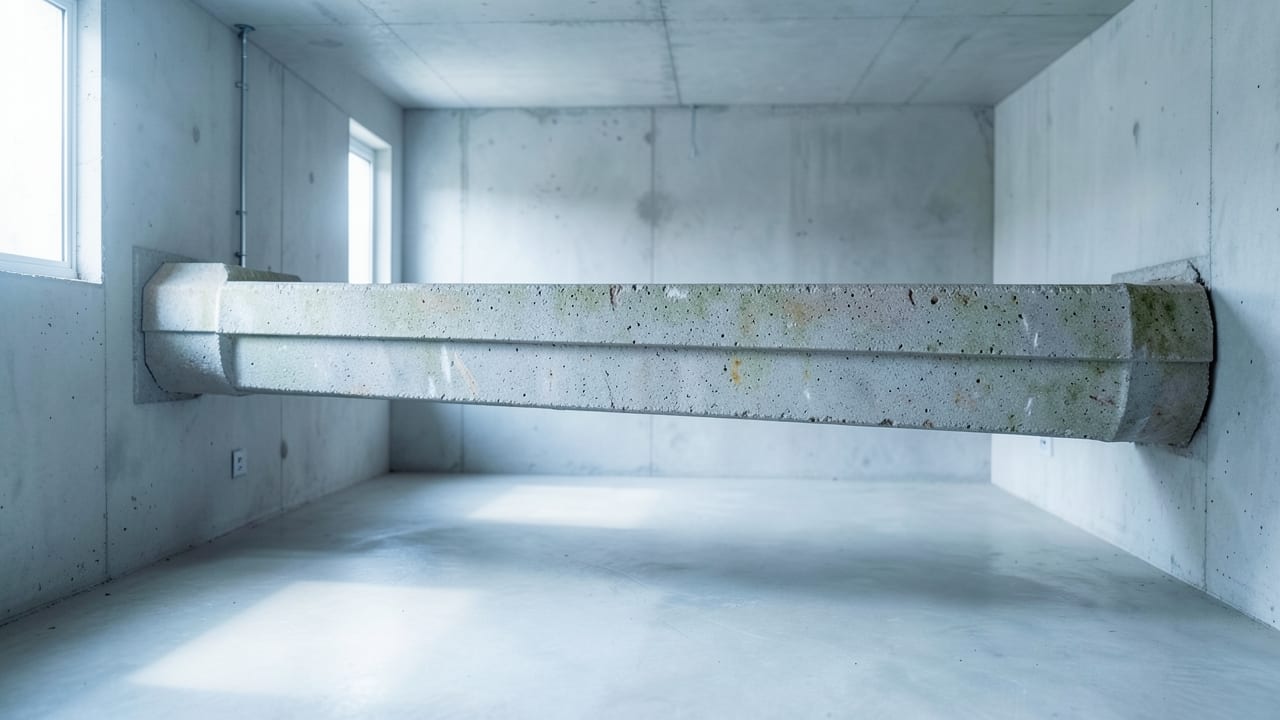
Concrete Duct Cleaning in Highland Park, IL
Professional cleaning of concrete ductwork to remove dust, debris, and contaminants from HVAC systems.
Learn More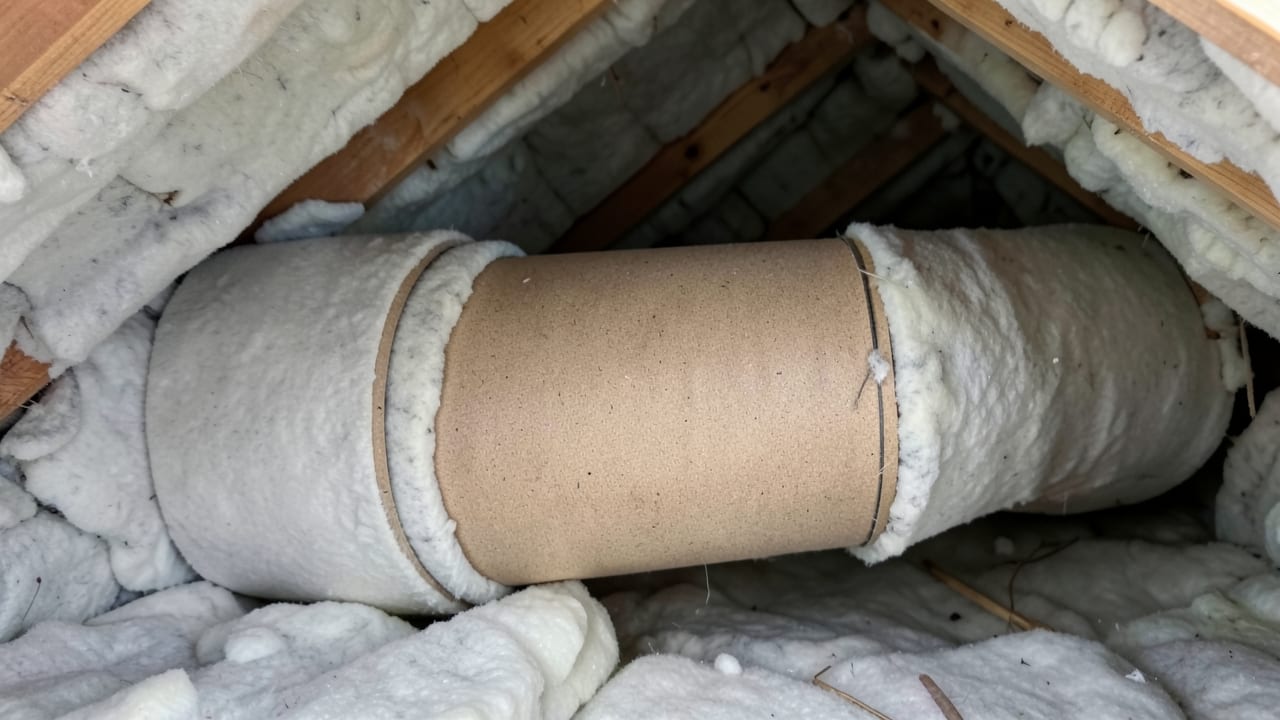
Fiberboard Duct Cleaning in Highland Park, IL
Professional cleaning of fiberboard HVAC ducts to remove dust, debris, and contaminants.
Learn More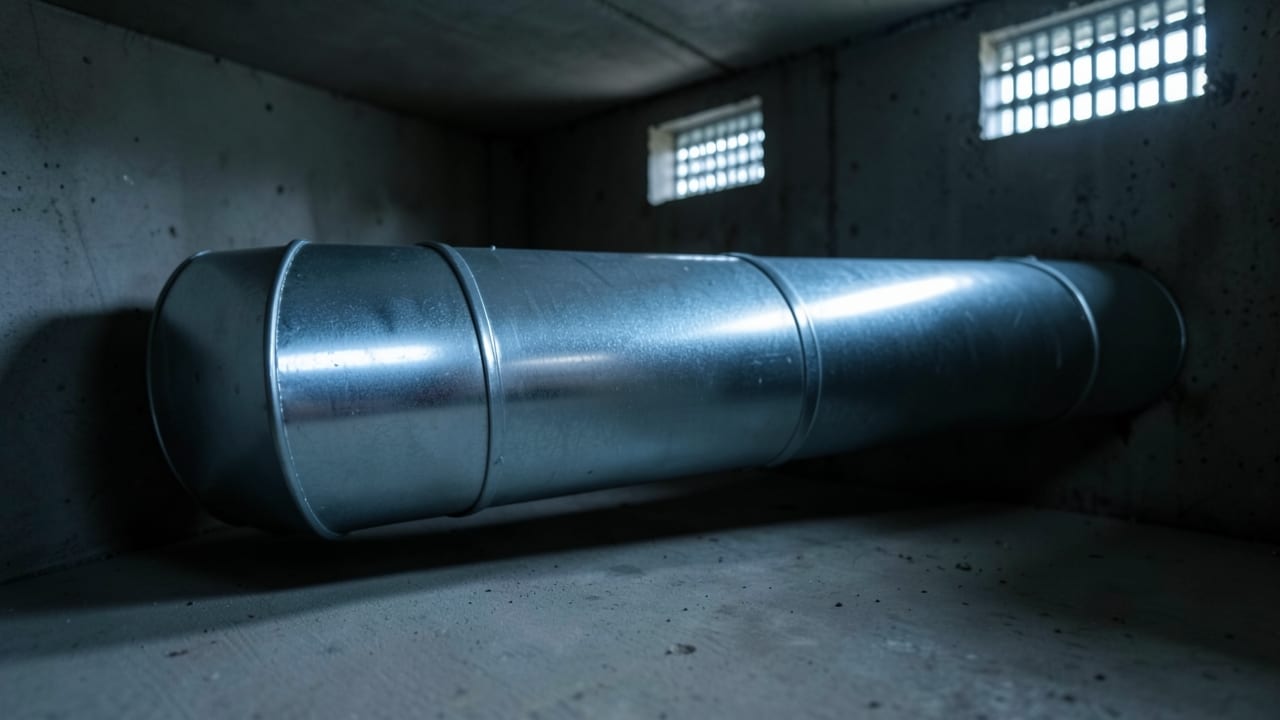
Galvanized Duct Cleaning in Highland Park, IL
Professional cleaning of galvanized air ducts to remove dust, debris, and contaminants from HVAC systems.
Learn MoreCommon Questions About Air Duct Cleaning in Highland Park
Everything you need to know about air duct cleaning services in Highland Park
How much does Ductwork Repair typically cost in Highland Park, IL?
What local factors get checked before recommending duct cleaning in Highland Park, IL?
How long does a typical air duct cleaning appointment take?
Can duct cleaning damage older or fragile ductwork?
Does duct cleaning include the coils and blower compartment, or only the ducts themselves?
What's the real difference between flat-rate and per-vent air duct pricing?
Need Air Duct Cleaning in Highland Park?
Get a written quote from our Highland Park crew.
⏰ We answer your call • Serving all of Highland Park and surrounding areas