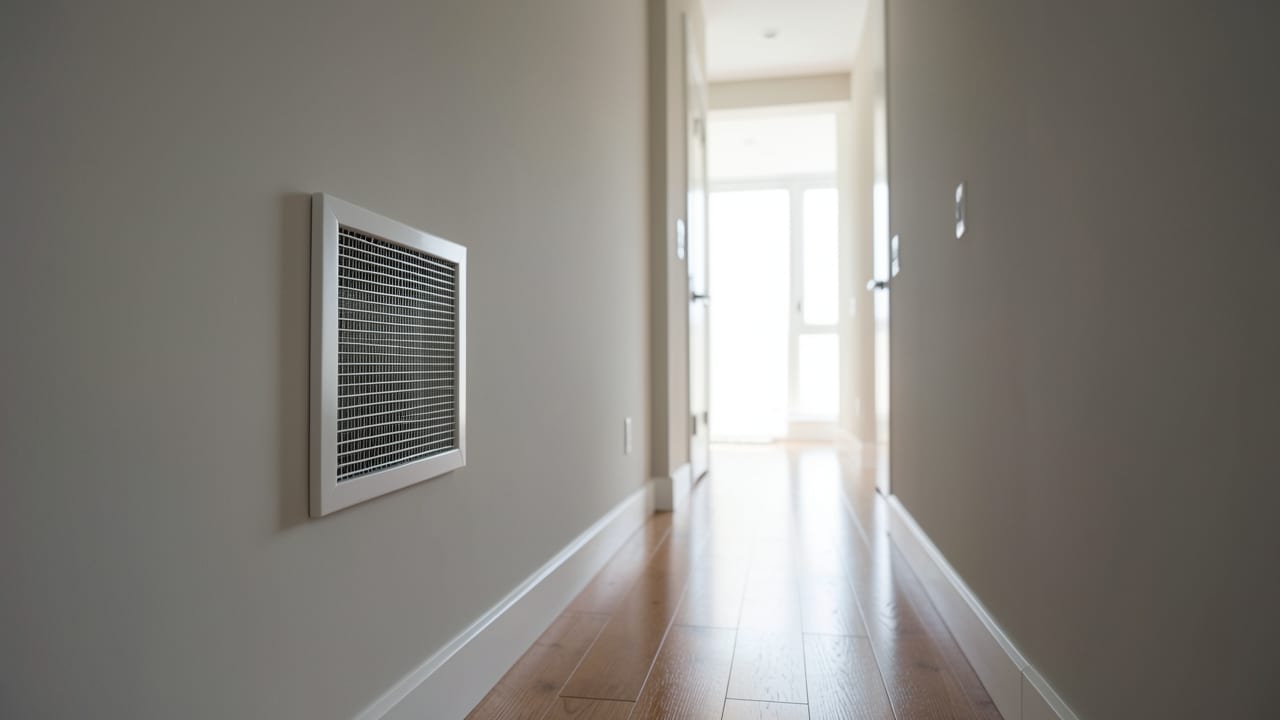
Return Vent Cleaning
Professional cleaning of return vents to improve HVAC airflow and indoor air quality.
In Highland Park, IL, return vent cleaning targets the intake vents of your HVAC system, where dust, allergens, and debris accumulate over time. This service helps improve airflow, reduce indoor air quality issues, and prevent contaminants from circulating through your home.
Unlike supply vents, return vents collect more debris due to their larger size and role in pulling air into the system for heating or cooling.
We also handle Commercial Duct Cleaning and UV Light & Sanitization Treatment for Highland Park properties.
Why return vent cleaning matters in your home
Return vents often go unnoticed until problems arise, like dust reappearing quickly on surfaces or a stale smell lingering when your HVAC system runs. These vents pull air from every room into the system, so buildup inside them can spread dust and allergens throughout your home.
Over time, compacted debris reduces airflow efficiency, forcing your system to work harder and increasing energy costs.
Highland Park’s older homes or those with pets, allergies, or high humidity may see faster buildup in return vents. A thorough cleaning targets the root of these issues—inside the ducts—rather than just surface dust.
Without addressing the return vents, even a clean supply system can recirculate trapped contaminants, making the problem persistent.
Signs Your Return Vents Need Cleaning
- A visible layer of dust or gray film reappears on furniture near vents within days of cleaning.
- Dust puffs out when the HVAC system first turns on, especially near return vents.
- A musty or stale smell is noticeable only when the system is running, not when it’s off.
- Allergies or respiratory irritation worsen when the system is active, compared to when it’s off.
- Airflow feels weaker in some rooms, even after changing the air filter or adjusting vents.
What affects pricing and how often you’ll need it
Pricing for return vent cleaning varies based on the number of vents, the extent of buildup, and the method used. Return vents are typically larger than supply vents and collect more debris, so they often cost more to clean—usually between $40 and $75 per vent in the Highland Park area.
A full system inspection before cleaning ensures targeted work, but hidden issues like disconnected flex duct or excessive moisture can add time and cost.
How often you need this service depends on your household’s specific conditions. Homes with pets, high humidity, or unsealed duct connections may require cleaning every 2–3 years, while others with minimal dust sources might go 5 years or longer.
Regularly changing your air filter (every 1–3 months) and sealing duct gaps can extend the time between deep cleanings by reducing how much new debris enters the system.
Common mistakes to avoid during cleaning
Skipping a full system inspection can leave hidden issues like disconnected flex duct or mold unaddressed. Without sealing off unused registers during cleaning, dislodged dust can blow straight into living spaces, defeating the purpose of the service.
Aggressive agitation in flexible duct sections risks pulling joints apart, sending conditioned air into walls or attics instead of your home.
Applying moisture-based treatments or biocides without proper drying can create a damp environment inside ducts, promoting new microbial growth. Overpromising results—like claiming a ‘mold-free’ system or a ‘permanent’ fix—can lead to disappointment, as duct cleanliness depends on ongoing maintenance like filter changes and sealing gaps.
Using a shop vac at individual vents removes far less debris than a whole-system negative-pressure method. Without a before-and-after camera inspection, you won’t know if the ducts were actually cleaned—or if dust was just pushed deeper into the system.
How return vent cleaning works
This process targets the intake vents where air enters your HVAC system, ensuring contaminants are removed safely and efficiently.
- 1Inspection
A camera or mirror inspection checks the supply and return duct runs for concentrated dust, debris, or biological growth before any cleaning begins. This step identifies which sections need agitation and which are already clear.
- 2Sealing and Setup
Unused registers are sealed off, and a negative-pressure collection unit is connected to the system. This ensures dislodged dust is pulled into the HEPA-filtered collection system instead of blowing into your home through open vents.
- 3Mechanical Agitation
A rotary brush or compressed-air whip is run through each duct run to loosen compacted dust from the interior walls. This step is critical for removing debris that suction alone cannot dislodge.
- 4HEPA Extraction
The dislodged material is pulled through the negative-pressure system into a HEPA-filtered collection unit, capturing fine particulate on-site and preventing it from re-entering your living space.
- 5Final Checks
After reassembling the system, airflow is verified at several registers to confirm improved circulation. Registers, grilles, and diffusers are also cleaned separately to remove surface buildup like pet hair.
Frequently asked questions
How will I know if my return vents are dirty enough to need cleaning?
Look for dust puffing out when the HVAC starts, a musty smell while the system runs, or dust reappearing quickly on surfaces near vents. If allergies worsen when the system is active, it’s often a sign of trapped contaminants in the return vents.
Can I clean my return vents myself, or should I hire a professional?
DIY methods like vacuuming vents may remove surface dust but won’t address compacted debris deeper in the ducts. Professionals use negative-pressure systems with HEPA filtration and inspections to ensure thorough removal without spreading contaminants.
Will cleaning my return vents improve my home’s air quality?
Cleaning return vents reduces circulating dust and allergens, which can improve air quality—especially in homes with pets, allergies, or high humidity. However, ongoing maintenance like filter changes and sealing duct gaps is key to maintaining results.
How long does the cleaning process take for an average Highland Park home?
The time varies based on the number of vents and the extent of buildup, but most homes complete the process in 3–5 hours. A full inspection before cleaning helps ensure no hidden issues add unexpected time.
Where Highland Park sits, and what the Census lists nearby
Highland Park sits in Illinois, and the closest places listed in the U.S. Census Gazetteer are Highwood (1.6 miles north), Deerfield (2.4 miles southwest), Bannockburn (3.1 miles west), Northbrook (3.9 miles south). Within 25 miles of Highland Park the same source lists 132 distinct incorporated places and census-designated places.
Those figures matter for return vent cleaning because they are straight-line distances between Census coordinate points: road mileage between Highland Park and Highwood runs longer than the 1.6 miles shown, which is why quotes for the same job differ between towns that look close together on a map.
Source: U.S. Census Bureau Gazetteer.
See Highwood, IL for more, or take a look at how our Highland Park crew can help in detail for our complete lineup.
Ready to get started?
Talk to a local air duct cleaning pro in Highland Park — get a written quote.
Other Air Duct Cleaning Services in Highland Park
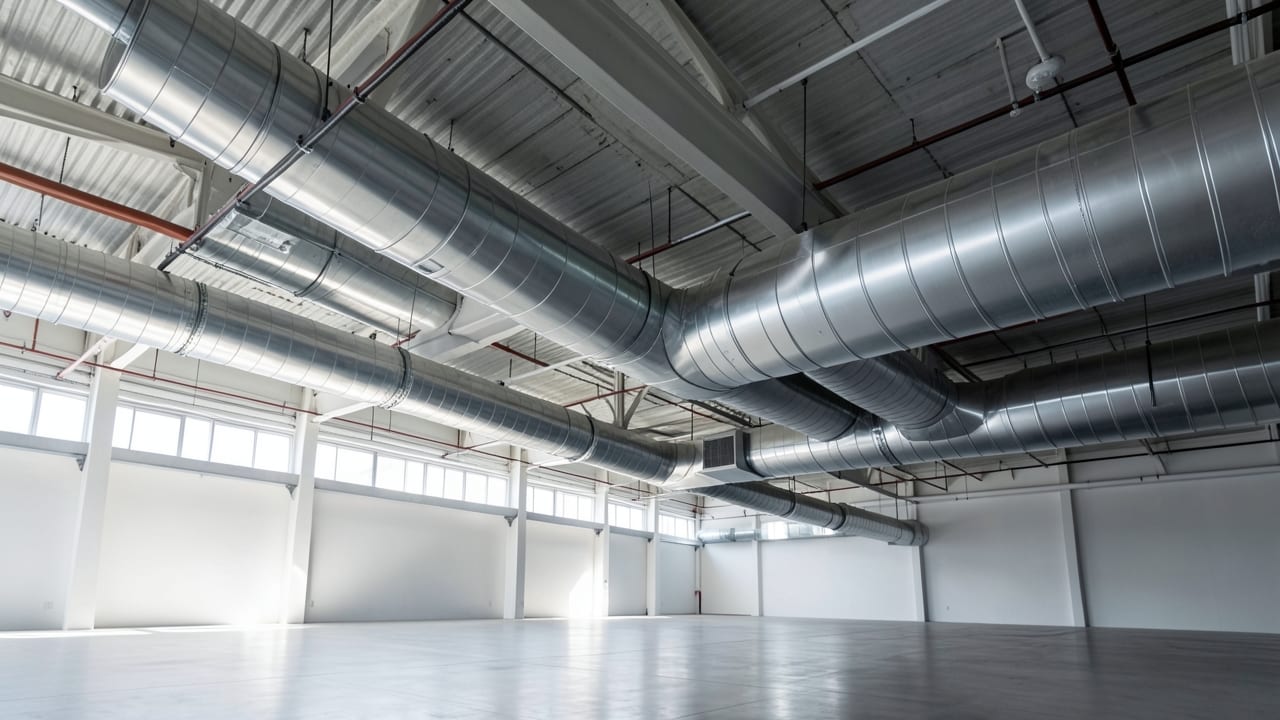
Commercial Duct Cleaning in Highland Park, IL
Commercial HVAC duct and rooftop unit cleaning in Highland Park, IL for offices, restaurants, and retail properties.
Learn More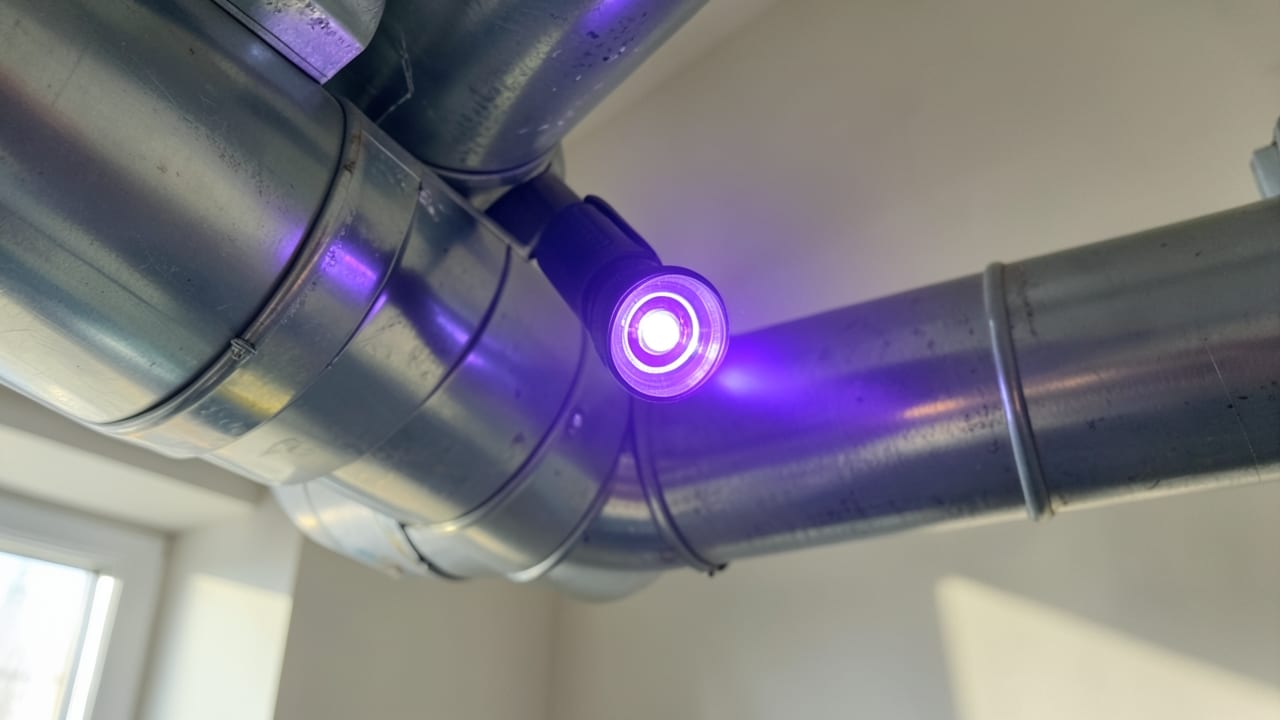
UV Light & Sanitization Treatment in Highland Park, IL
UV-C light installation and duct sanitization treatment in Highland Park, IL — an ongoing defense against microbial growth on the evaporator coil.
Learn More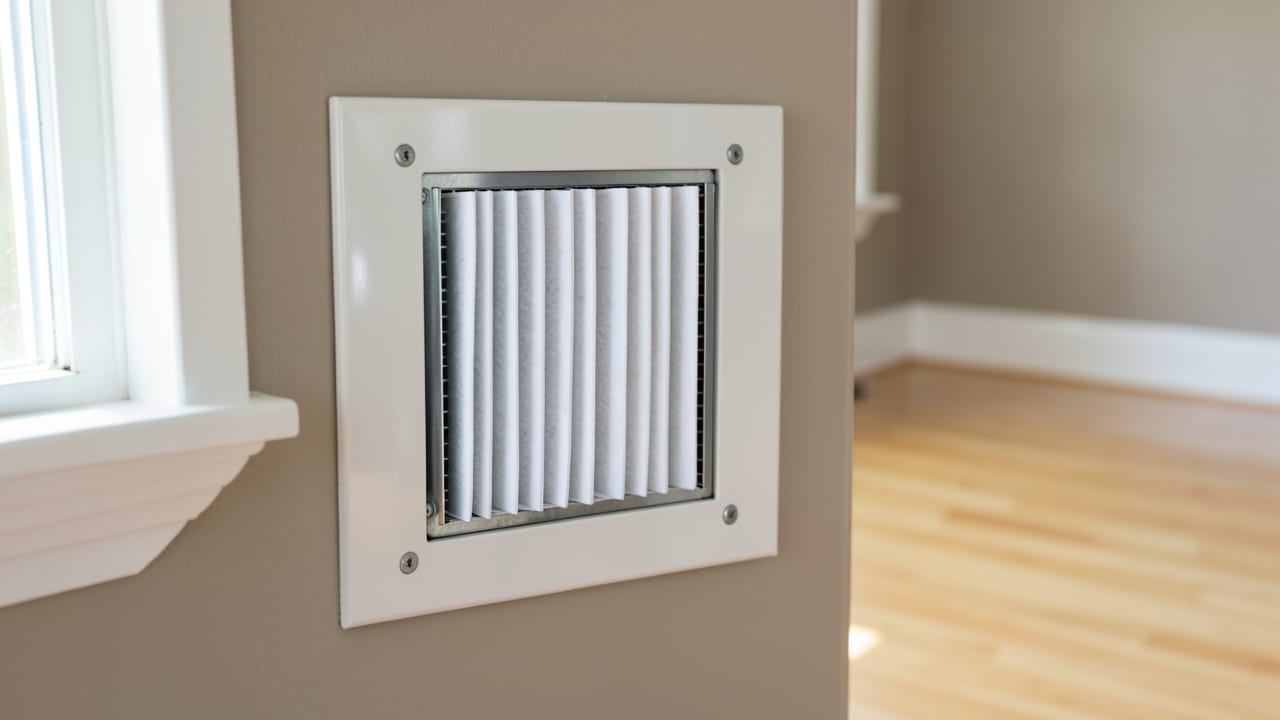
Air Filter Replacement in Highland Park, IL
Air filter replacement and MERV-rating guidance in Highland Park, IL, matched to household needs and system airflow limits.
Learn More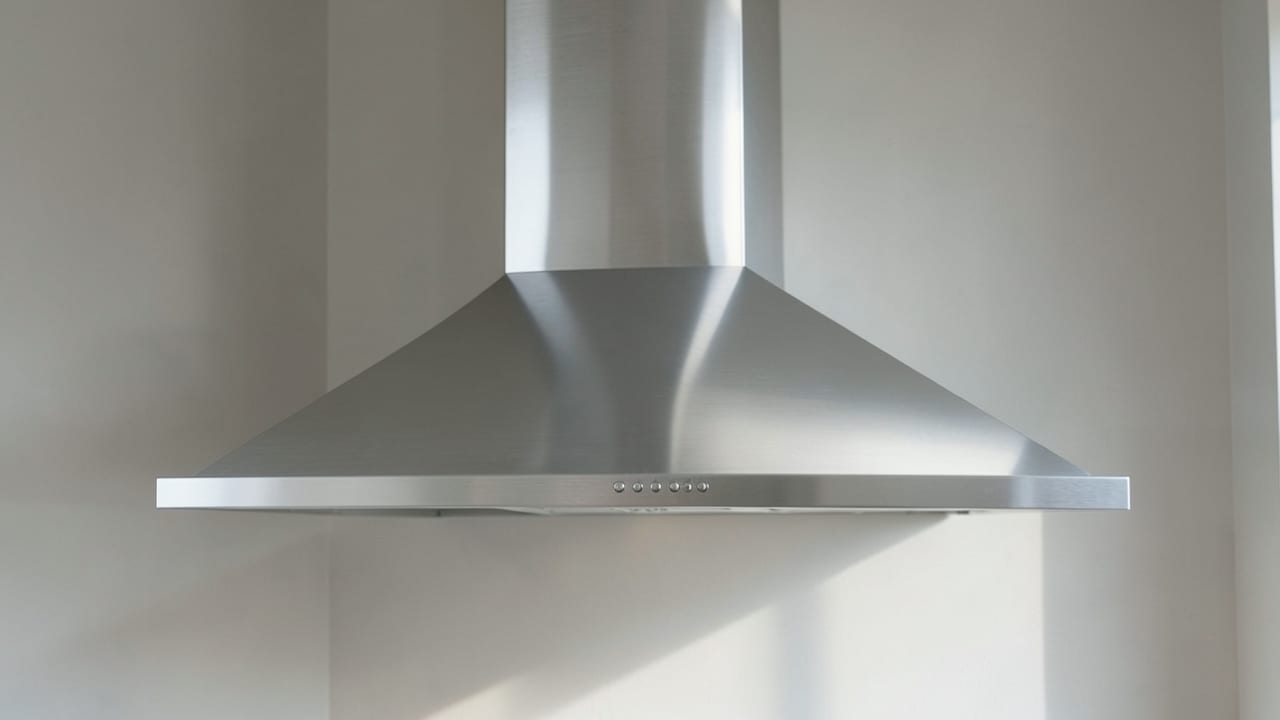
Kitchen Exhaust Hood Cleaning in Highland Park, IL
Commercial and residential kitchen exhaust hood cleaning in Highland Park, IL — removes grease buildup from hoods, filters, and ductwork.
Learn More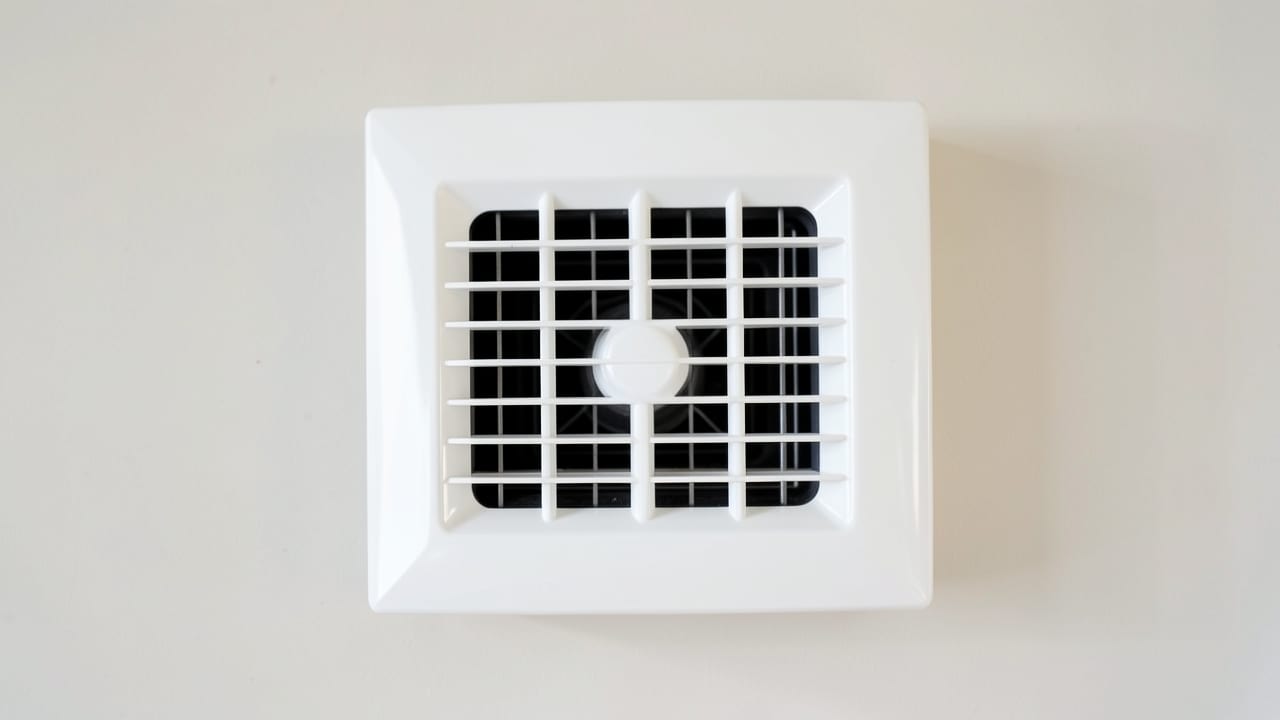
Bathroom Exhaust Fan Cleaning in Highland Park, IL
Bathroom exhaust fan cleaning in Highland Park, IL clears dust and lint from the fan housing and vent run, restoring proper airflow.
Learn More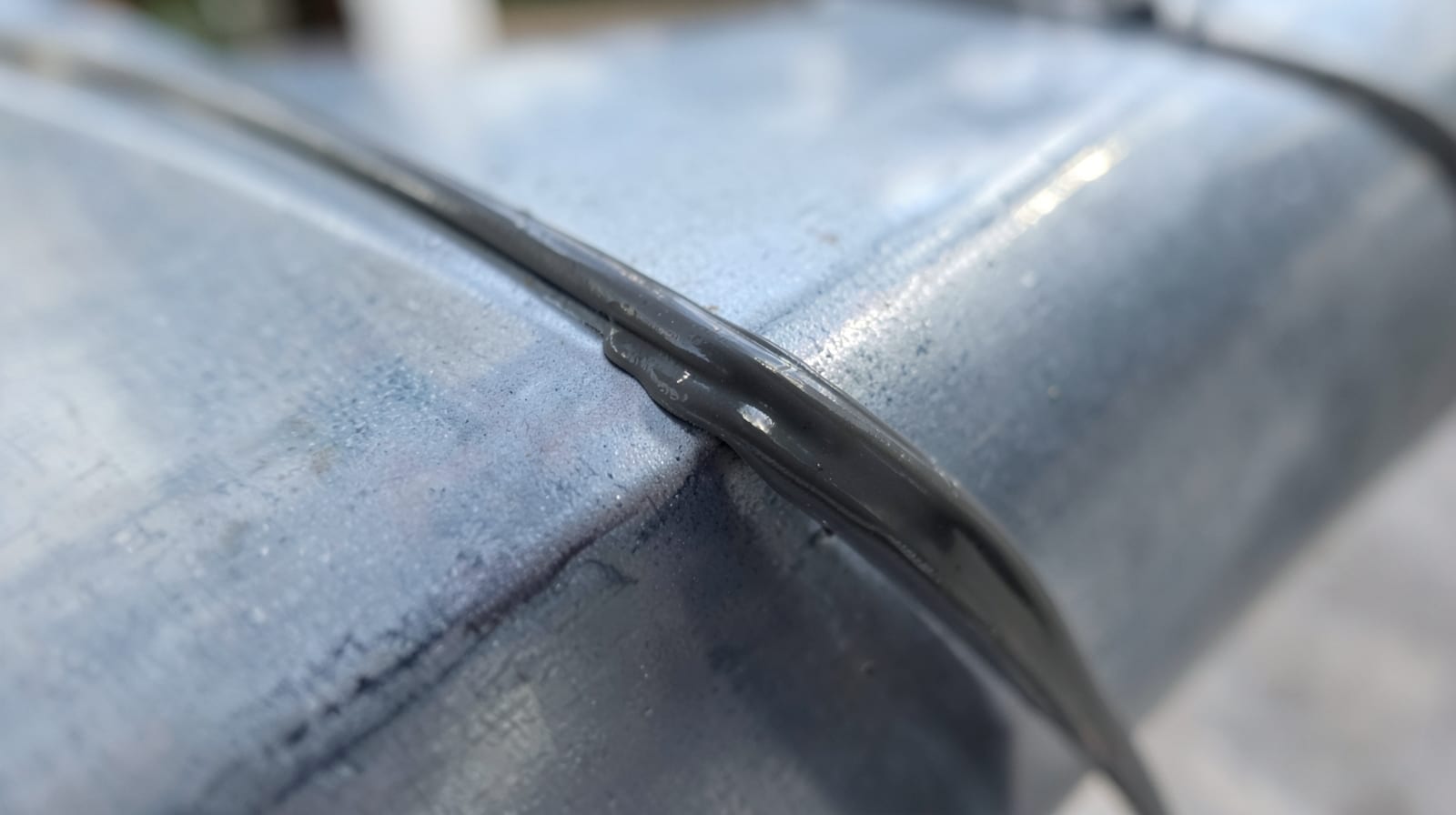
Duct Sealing in Highland Park, IL
Duct sealing in Highland Park, IL closes leaks in supply and return ductwork that waste conditioned air and strain the HVAC system.
Learn MoreCommon Questions About Air Duct Cleaning in Highland Park
Everything you need to know about air duct cleaning services in Highland Park
How much does Return Vent Cleaning typically cost in Highland Park, IL?
What local factors get checked before recommending duct cleaning in Highland Park, IL?
How long does a typical air duct cleaning appointment take?
Can duct cleaning damage older or fragile ductwork?
Does duct cleaning include the coils and blower compartment, or only the ducts themselves?
What's the real difference between flat-rate and per-vent air duct pricing?
Need Air Duct Cleaning in Highland Park?
Get a written quote from our Highland Park crew.
⏰ We answer your call • Serving all of Highland Park and surrounding areas