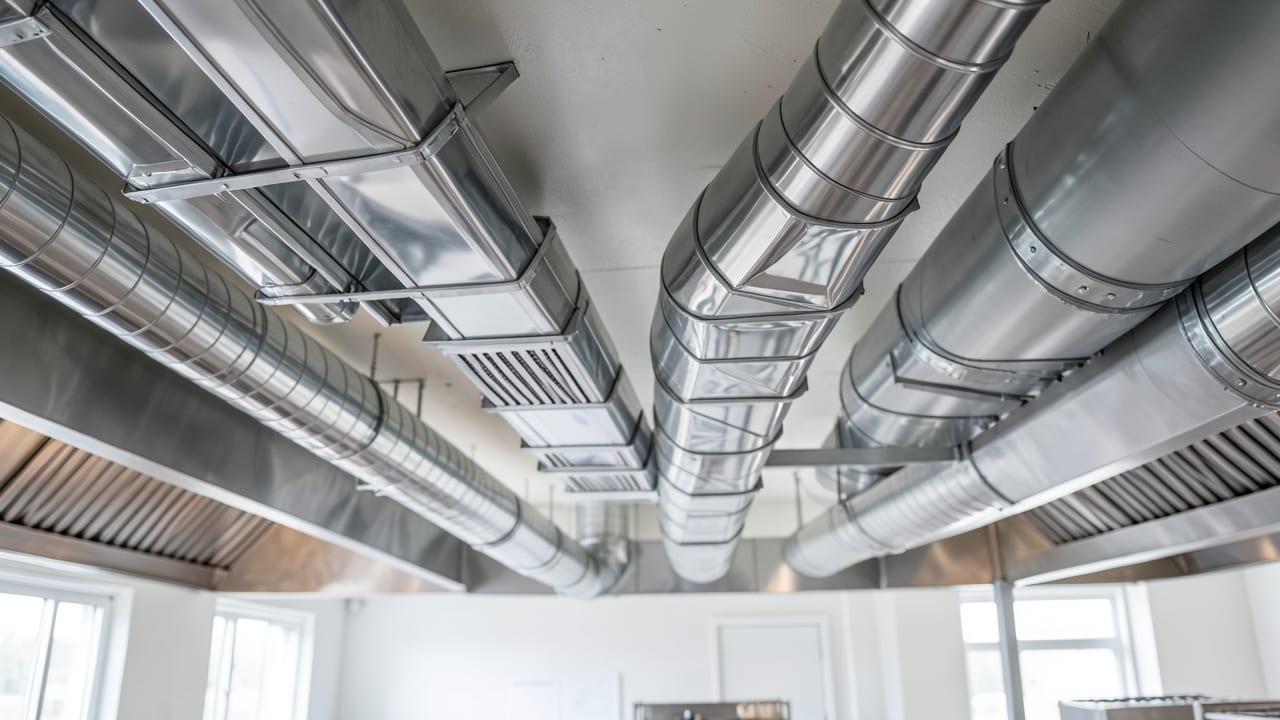
Fire Smoke Duct Deodorization
Removal of smoke residue and odors from HVAC ductwork after a fire.
Fire smoke duct deodorization in Highland Park, IL, targets lingering odors and soot in HVAC systems after a fire. The process involves thorough cleaning and treatment of ductwork to restore indoor air quality, ensuring contaminants don’t recirculate through your home.
This service is essential for removing embedded smoke particles and preventing long-term damage to your system.
We also handle Crawl Space Duct Cleaning and Return Vent Cleaning for Highland Park properties.
When to consider fire smoke duct deodorization
Fire smoke duct deodorization is typically needed when lingering smoke odors persist even after cleaning surfaces and fabrics. Smoke particles can embed deep in ductwork, releasing odors every time the HVAC system runs.
If you notice a stale or smoky smell while the system is active—or if dust resettles unusually fast near vents—it may indicate trapped contaminants in the ducts.
Highland Park homes with recent fire damage often require this service to fully eliminate smoke residues. Unlike general duct cleaning, fire smoke deodorization focuses on neutralizing odors and removing fine soot particles that standard methods may miss. Skipping this step can leave hidden contaminants circulating, affecting indoor air quality long-term.
Signs You May Need Fire Smoke Duct Deodorization
- A smoky or musty odor that fades when the HVAC is off but returns when it runs.
- Dust or soot visibly reappearing near vents within days of cleaning other surfaces.
- A gray film or buildup forming quickly on register grilles after wiping them clean.
- Pet hair, dust, or debris accumulating faster in certain rooms than others.
- A stale or acrid smell that lingers even after air fresheners or cleaners are used.
What affects pricing and timing?
Pricing for fire smoke duct deodorization varies based on the size of your HVAC system, the extent of soot buildup, and whether additional treatments (like antimicrobial agents) are required. Unlike general duct cleaning, this service often includes specialized equipment and odor-neutralizing steps, which can influence costs.
The process also depends on whether the ducts require mechanical agitation, HEPA filtration, or register sealing to contain debris.
Timing for repeat services depends on household factors like pet shedding, air filter maintenance, and duct sealing. Homes with pets or high dust levels may need more frequent attention, while well-sealed systems with regular filter changes might extend intervals.
Industry guidance suggests intervals from once a year to once every five years, but this varies widely based on individual conditions.
| Factor | Impact on Service |
|---|---|
| Ductwork size and layout | Larger or complex systems may require more time and equipment. |
| Extent of soot and odor buildup | Heavy contamination demands deeper cleaning and treatments. |
| HVAC unit and coil condition | Dirty coils or blower components may need separate cleaning. |
| Household dust/pet levels | High shedding or poor filtration speeds up recontamination. |
| Duct sealing and filter habits | Gaps or neglected filters shorten intervals between cleanings. |
What to expect during the process
Fire smoke duct deodorization involves more than just vacuuming debris from vents. The process targets embedded soot, odor molecules, and fine particulate that standard cleaning may miss. A thorough inspection with a camera identifies concentrated buildup areas before any cleaning begins, ensuring targeted treatment.
This step helps avoid missing hidden contaminants that could recirculate later.
After cleaning, airflow verification ensures the system operates as intended. Some homes may experience improved circulation, while others might need adjustments to registers or dampers. The goal is to restore clean air flow while minimizing dust redistribution. Proper sealing during the service prevents loose debris from spreading into living spaces.
Skipping register sealing during cleaning can let dislodged dust blow into rooms instead of being captured. Aggressive brushing in flexible ducts risks disconnecting joints, sending conditioned air into walls or attics. Excess moisture or biocide treatments without drying can create new microbial growth. Always confirm the crew uses negative-pressure HEPA filtration and inspects connections after agitation.
How fire smoke duct deodorization works
This process combines mechanical cleaning, odor neutralization, and airflow restoration to remove embedded smoke residues.
- 1System Inspection
A camera or mirror inspection identifies soot, debris, and odor sources in supply and return ducts. This step pinpoints areas needing mechanical agitation or deeper treatment before any cleaning begins.
- 2Register Sealing and Negative-Pressure Setup
Non-working registers are sealed, and a HEPA-filtered collection unit is connected to the system. This ensures dislodged dust is pulled into the unit instead of blowing into rooms during cleaning.
- 3Mechanical Agitation and HEPA Extraction
Rotary brushes or compressed-air whips loosen compacted soot and debris from duct walls. A negative-pressure system then suctions the material into a HEPA-filtered collector, preventing fine particles from re-entering the home.
- 4Register and Diffuser Cleaning
Each supply and return vent, grille, and diffuser is removed and cleaned separately. These components often trap surface dust and pet hair that standard duct cleaning misses.
- 5Airflow Verification
After reassembly, airflow is checked at multiple registers to confirm circulation matches pre-cleaning levels. This step helps ensure the work improved—not just redistributed—dust within the system.
Frequently asked questions
How do I know if my ducts need fire smoke deodorization instead of regular cleaning?
Fire smoke deodorization is needed when lingering smoke odors persist after surface cleaning, or if you see soot buildup near vents that reappears quickly. Regular duct cleaning focuses on dust and debris, while fire smoke treatment targets embedded odor molecules and fine particulate from smoke damage.
Will sealing gaps in my ducts help reduce how often I need this service?
Yes. Duct gaps allow dust, pet hair, and outdoor debris to enter the system between cleanings. Sealing obvious connections—like where ducts meet registers or in unfinished basements—can slow recontamination and extend intervals between services.
Can fire smoke duct deodorization remove all traces of smoke odor?
The process removes most embedded smoke particles and neutralizes odors, but some residues may linger depending on the fire’s intensity and how deeply contaminants penetrated materials. Additional treatments, like antimicrobial agents, can help further reduce lingering smells.
How long does it take to complete fire smoke duct deodorization for a Highland Park home?
The duration varies by system size and contamination level, typically ranging from 3 to 6 hours. Complex layouts or heavy soot buildup may require additional time. The crew will provide a clearer estimate after inspecting your ducts.
Where Highland Park sits, and what the Census lists nearby
Highland Park sits in Illinois, and the closest places listed in the U.S. Census Gazetteer are Highwood (1.6 miles north), Deerfield (2.4 miles southwest), Bannockburn (3.1 miles west), Northbrook (3.9 miles south). Within 25 miles of Highland Park the same source lists 132 distinct incorporated places and census-designated places.
Those figures matter for fire smoke duct deodorization because they are straight-line distances between Census coordinate points: road mileage between Highland Park and Highwood runs longer than the 1.6 miles shown, which is why quotes for the same job differ between towns that look close together on a map.
Source: U.S. Census Bureau Gazetteer.
See Long Grove, IL for more, or browse what's included in our Highland Park service in one place for our complete lineup.
Ready to get started?
Talk to a local air duct cleaning pro in Highland Park — get a written quote.
Other Air Duct Cleaning Services in Highland Park
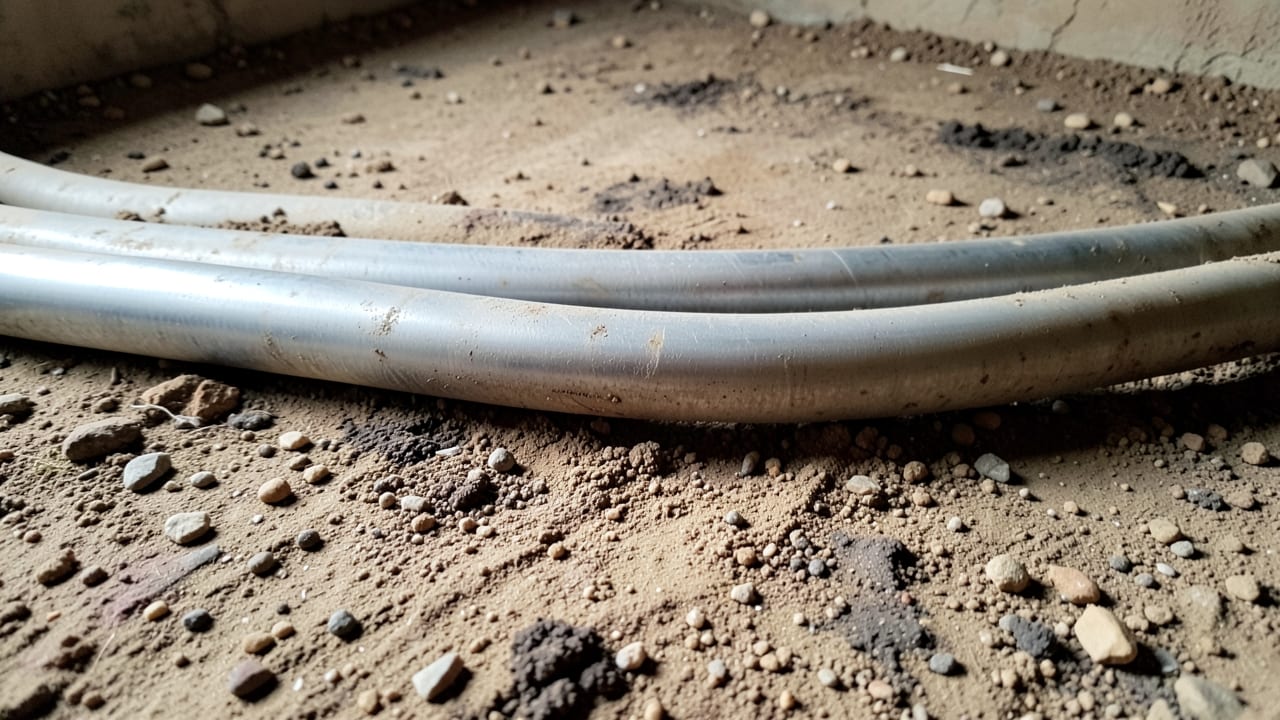
Crawl Space Duct Cleaning in Highland Park, IL
Professional cleaning of ductwork in crawl spaces to improve airflow and indoor air quality.
Learn More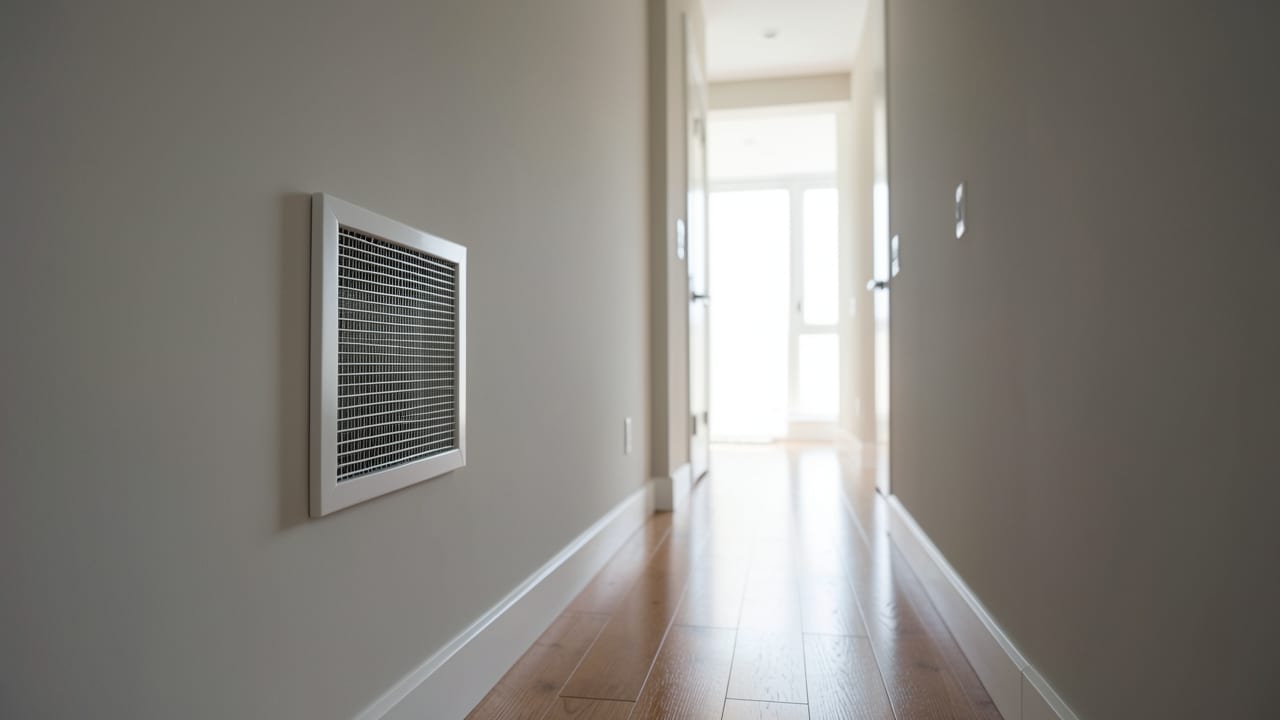
Return Vent Cleaning in Highland Park, IL
Professional cleaning of return vents to improve HVAC airflow and indoor air quality.
Learn More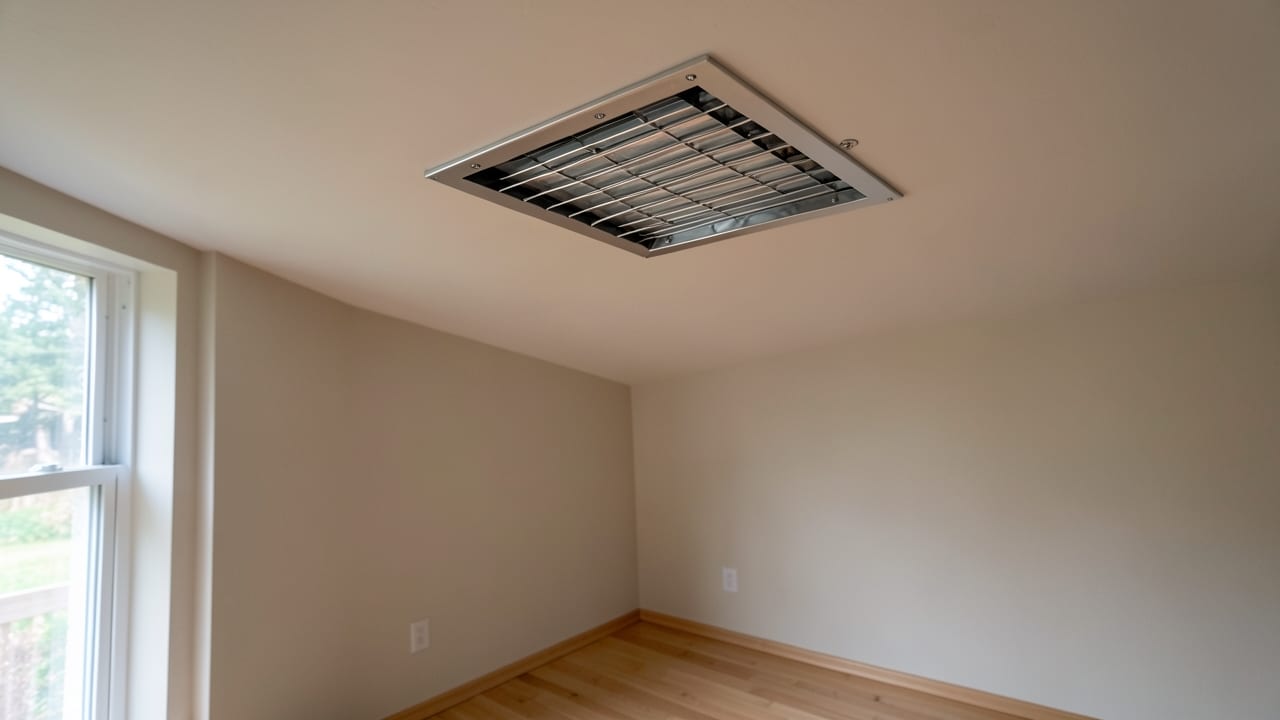
Supply Vent Cleaning in Highland Park, IL
Professional cleaning of supply vents to improve airflow and indoor air quality in HVAC systems.
Learn More
Metal Duct Cleaning in Highland Park, IL
Professional cleaning of metal ductwork to remove dust, debris, and contaminants from HVAC systems.
Learn More
Fiberglass Duct Cleaning in Highland Park, IL
Professional cleaning of fiberglass ductwork to remove dust, debris, and contaminants from HVAC systems.
Learn More
Ductwork Repair in Highland Park, IL
Repairing or sealing damaged air ducts to restore HVAC efficiency and airflow.
Learn MoreCommon Questions About Air Duct Cleaning in Highland Park
Everything you need to know about air duct cleaning services in Highland Park
How much does Fire Smoke Duct Deodorization typically cost in Highland Park, IL?
What local factors get checked before recommending duct cleaning in Highland Park, IL?
How long does a typical air duct cleaning appointment take?
Can duct cleaning damage older or fragile ductwork?
Does duct cleaning include the coils and blower compartment, or only the ducts themselves?
What's the real difference between flat-rate and per-vent air duct pricing?
Need Air Duct Cleaning in Highland Park?
Get a written quote from our Highland Park crew.
⏰ We answer your call • Serving all of Highland Park and surrounding areas